

16 September 2025
Miami arrives with a fixed image: art deco beaches, neon nightclubs, and endless sunshine. It is a fun reputation and largely a true one. But treat Miami as nothing more than a beach-and-party town and you miss the Latin American culture and creative energy that make it genuinely distinctive. So is Miami really all beaches and nightlife? Not even close, and for a Latin-music-loving, Spanish-speaking traveller like me, the parts people overlook are the whole reason to come.
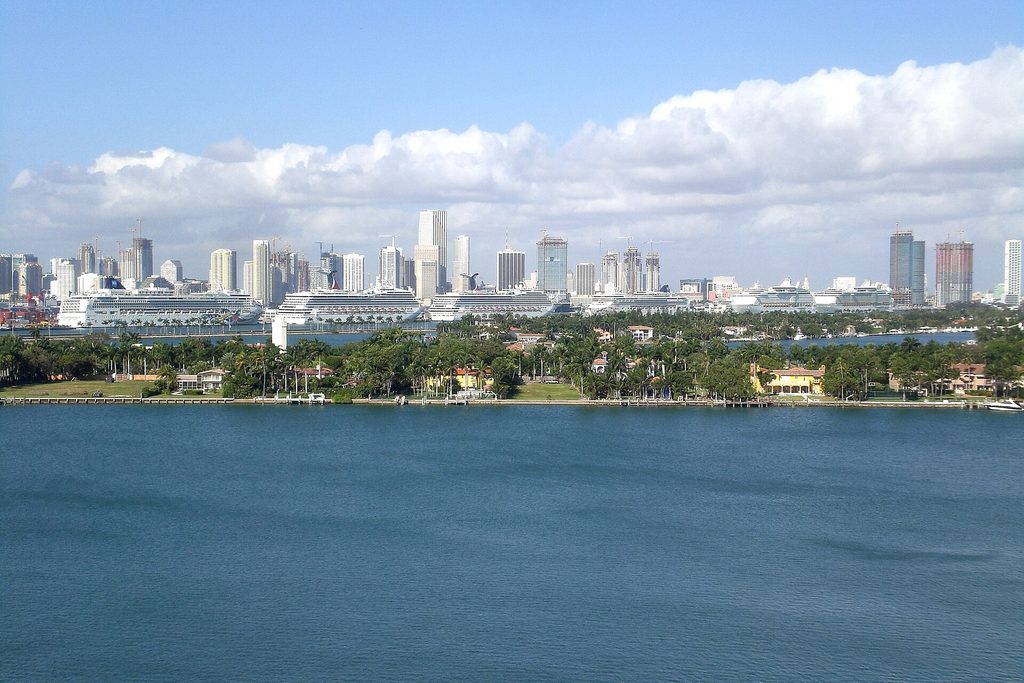
This guide looks at the Miami everyone expects, and then at the richer, more cultural city that hides behind the postcards.
Yes, the Clichés Are Real
Let’s be honest: the reputation is earned. South Beach really is glamorous, its pastel art deco buildings along Ocean Drive as photogenic as they look on screen, and the nightlife really does go late. The beaches are wide and warm, the people-watching is world-class, and there is no need to be snobbish about it. A stroll down Ocean Drive and a night out are a big part of why people love Miami, and the official Miami tourism site leans into both.
Little Havana and the Latin Soul
Here is where Miami reveals its depth. It is one of the most Latin cities in the United States, and nowhere shows it like Little Havana. On Calle Ocho, Cuban cafés serve cortaditos, cigar rollers work in doorways, and old men play dominoes in Máximo Gómez Park. Legendary venues like Ball & Chain host live Latin jazz and salsa most nights, and this, not the beach clubs, is where you’ll find me, ideally on a bachata floor with a mezcal in hand. The neighbourhood’s Cuban identity, explored on its Wikipedia page, runs deep and gives the city a rhythm you will not find elsewhere in Florida.
Art Beyond the Beach
The formerly industrial district of Wynwood has become one of America’s great street-art destinations. The open-air Wynwood Walls showcase dozens of large-scale murals, and the surrounding galleries, breweries, and the Museum of Graffiti make it a world away from the sunbeds. Add the Pérez Art Museum Miami on the bay and the boutiques of the Design District, and the city’s cultural credentials, cemented each year by Art Basel, are hard to deny, even if, I’ll be honest, the art-world side rather passes me by.
Nature on the Doorstep
Miami is also a gateway to the wild. The Everglades National Park is less than an hour west, offering airboat rides and alligator spotting in one of the world’s great wetlands, while the historic Vizcaya villa and gardens on Biscayne Bay make an elegant escape from the beach. For sun and water without the crowds, the Florida Keys begin just to the south.
Frequently Asked Questions
Is there more to Miami than beaches and nightlife? Yes. Beyond South Beach, Miami offers the Cuban culture of Little Havana, the street art of Wynwood, museums like PAMM, and easy access to the Everglades.
What is the cultural side of Miami? Little Havana’s Cuban cafés and live music, Wynwood’s murals and galleries, the Design District, and the city’s strong Latin American identity make Miami far more than a party town.
Is Miami worth visiting beyond the beach? Absolutely. A trip that mixes the beaches with Little Havana, Wynwood, and a day in the Everglades shows a far richer city than the clichés suggest.
Final Thoughts
Miami is every bit the beach-and-nightlife city of its reputation, but it is also Cuban coffee, street murals, and Latin rhythm. See only the sand and you have seen only half of it. And with the rest of South Florida close by, from the calmer beaches of Fort Lauderdale to the reefs of Key Largo, Miami makes the perfect base for exploring far more than its famous shoreline.