

06 November 2026
Istanbul is a city that never lets you forget where you are. Minarets pierce the skyline, ferries glide between continents, and the smell of strong coffee and grilled meat hangs in the air. It's ancient and modern at the same time: chaotic, romantic, loud, and deeply magnetic.
But Istanbul is also a city where being a tourist can cost you if you're not paying attention. With millions of visitors passing through each year, some people have perfected subtle ways of separating travellers from their cash, especially those unfamiliar with local prices, customs, or social cues.
This doesn't make Istanbul unfriendly. Far from it. Most people are generous, welcoming, and proud of their city. But knowing how things work will save you frustration, and help you enjoy the city for what it really is.
The Art of the Tourist Trap
Istanbul's scams are rarely aggressive. They're social, polite, and often feel like hospitality.
The "friendly local" bar invitation
One of the best known involves the "friendly local." Someone strikes up a conversation in perfect English, offers to show you a bar or a cultural spot, and insists you join them for a drink. You sit down, enjoy the atmosphere, and then receive a bill that's shockingly high. The venue is often complicit, the "friend" disappears just in time, and there may be some very large men between you and the door. It happens most around Taksim and İstiklal, and solo men are the usual target.
Always choose your own venues. If someone insists too strongly, that's your cue to decline politely and move on.
The shoe shine routine
A shoe shiner walks past and drops his brush. You pick it up, because you're a nice person. In thanks he offers you a free shine, and then, once your shoes are done, it isn't free at all, and the price is outrageous. Let the brush lie.
Taxis
Another common issue is taxis. Some drivers avoid using the meter, take unnecessarily long routes, or claim certain notes are invalid, or quietly swap a big note for a small one and tell you that you underpaid. Confirm the meter is on, use navigation apps to track your route, and carry smaller bills to avoid "change problems."
Better still, use an app. BiTaksi connects you to licensed taxis, and Uber here mostly does the same. Never get into an unofficial car, and don't let an airport driver talk you out of the meter.
Shopping, Bargaining, and Price Illusions
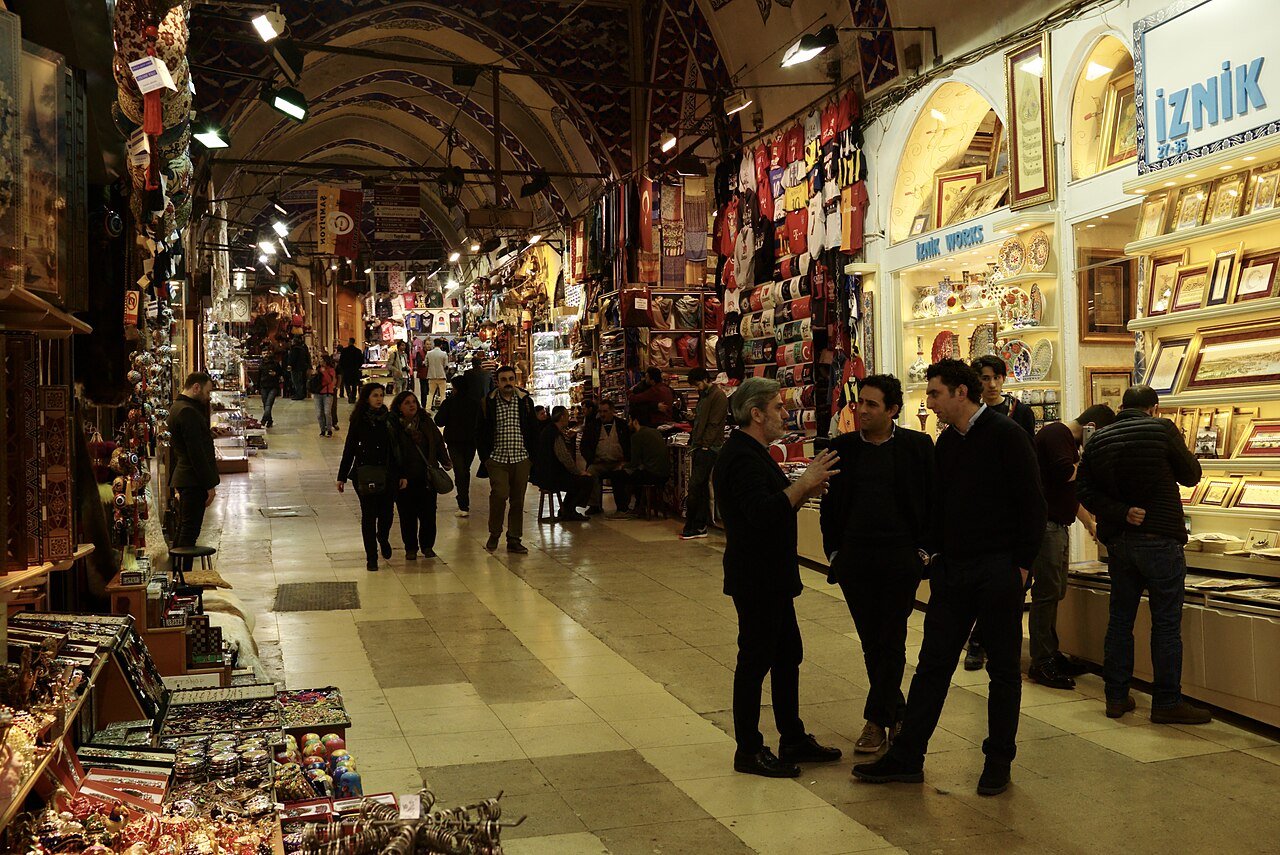
Grand Bazaar energy is thrilling, but it's also where first-time visitors lose money fast. Prices are almost never fixed. If you don't bargain, you're paying the tourist rate.
That said, bargaining isn't confrontation, it's cultural exchange. Smile, stay friendly, and be prepared to walk away. If the price suddenly drops, you're doing it right.
Watch out for low-quality goods sold as handmade or antique. If something seems too cheap to be authentic, it probably is. And be especially careful with anything that looks like a real antiquity, since taking genuine antiques out of Turkey without permission is illegal. Ask questions, take your time, and don't let politeness pressure you into a purchase.
Food Scams That Don't Feel Like Scams
Street food in Istanbul is legendary, from simit and döner to balık ekmek, and generally affordable. Problems arise near major attractions, where menus lack prices or list them vaguely.
Always ask for prices before ordering, especially in tourist-heavy areas like Sultanahmet. Check whether bread, tea, or side dishes are complimentary or added to the bill. These "extras" can quietly inflate your total, so look over the bill before you pay it.
Why Tourists Are Easy Targets
Istanbul is intense. New sounds, new rhythms, new rules. Tourists pause to absorb, and pausing is when mistakes happen.
Currency confusion plays a big role. The Turkish lira fluctuates, and large numbers can feel disorienting. Take a moment to understand rough price ranges before you arrive, and check the current exchange rate on your phone rather than trusting a number somebody tells you.
Also, politeness works differently here. Directness is normal. Saying "no" firmly but respectfully is not rude, it's clear communication.
Where Young Travellers Go When the Sun Goes Down
Now we're talking. Istanbul's nightlife is diverse, layered, and sometimes hidden, and for someone who loves a night out, that's exactly the appeal.
Beyoğlu is the heart of it all. İstiklal Avenue and the streets around it are packed with bars, live music venues, and late-night kebab spots. 360 Istanbul is a long-running favourite with a young, international crowd and a view to match, while countless underground spots host indie, electronic, and alternative scenes.
Karaköy is trendier and more local-feeling, with cocktail bars, wine spots, and creative spaces tucked into side streets. It's social, stylish, and perfect for bar hopping.
Galata rooftops deliver the panoramic views. Sunset drinks turn into late nights fast, with DJs and relaxed lounge vibes.
Kadıköy, on the Asian side, is a favourite among locals and younger travellers who want something less touristy. The bar scene around Kadife Sokak is affordable, vibrant, and community-driven, with live music and packed streets well into the night. It also comes with a ferry ride across the Bosphorus, which is about the best way to start an evening I can think of. If you're choosing a base for all this, have a look at good places to stay in Istanbul.
Party Smart in Istanbul
Alcohol is legal, but nightlife culture is more nuanced than in some Western cities. Respect matters. Loud behaviour that's normal elsewhere may draw unwanted attention here, and so can public displays of affection, particularly between same-sex couples.
Watch your drinks, especially in unfamiliar venues, and buy your own. Stick to busy, reputable places and avoid following strangers to private or unmarked locations.
Take bootleg alcohol seriously. Illegally produced spirits and fake branded bottles have killed people in Istanbul, and you can't detect methanol by taste or smell. If a spirit is suspiciously cheap, leave it, and get medical help quickly if you or a friend feels ill after drinking.
Drugs, including cannabis, carry very heavy penalties in Turkey, with long prison sentences. And if you come across a demonstration, leave the area.
Late at night, use licensed taxis or apps, and confirm destinations clearly. Wandering intoxicated through unfamiliar neighbourhoods is rarely a good idea. For any emergency, the number is 112.
Frequently Asked Questions
What are the most common scams in Istanbul? The "friendly local" who takes you to an overpriced bar, the dropped shoe brush, taxis that skip the meter or swap your notes, and restaurants that add unrequested extras to the bill.
Is Istanbul safe at night? Busy areas like Beyoğlu, Karaköy, and Kadıköy are generally fine at night if you stay alert, choose your own venues, and take a licensed taxi or an app home.
Is there Uber in Istanbul? Yes, though it mostly dispatches licensed taxis. BiTaksi is the other app worth having.
Where do young people go out in Istanbul? Beyoğlu and the İstiklal area for the mainstream scene, Karaköy for cocktails, Galata for rooftops, and Kadıköy for cheaper, more local bars and live music.
Istanbul Rewards the Observant Traveller
Istanbul doesn't need to trick you, it already has your attention. But the city flows best when you meet it halfway.
Learn how prices work. Choose curiosity over impulse. Balance openness with awareness.
When you do, Istanbul becomes more than a destination. It becomes a rhythm: calls to prayer echoing over dance beats, ancient streets leading to neon-lit rooftops, and nights that blur cultures instead of boundaries.
Travel smart, and Istanbul will give you stories that feel earned, not bought.