

03 November 2026
Georgia has quietly earned a reputation as one of the safest countries in its region for travellers. Whether you're wandering through the streets of Tbilisi, hiking in the Caucasus Mountains, or sipping wine in a rural village, most visitors feel secure almost immediately. I'm based in Tbilisi, and as someone who is cautious about where she goes out, I'd say that reputation is mostly earned. Still, like any destination, understanding local safety norms, risks, and precautions can make your trip smoother and stress-free. Here's a realistic, no-drama guide to staying safe while travelling in Georgia.
Overall Safety: A Low-Risk Destination
For tourists, Georgia is considered very safe. Violent crime against visitors is rare, and locals are generally protective and helpful towards travellers. You'll often see families out late at night, women walking alone, and shops open until the early hours, all signs of a place where everyday life feels secure.
Police presence is visible but not intimidating, especially in cities, and officers are generally approachable and responsive.
That said, "safe" doesn't mean "risk-free." Most issues travellers encounter are minor and avoidable with basic awareness. Before you travel, check your own government's current advice, because it can change.
Street Safety and Petty Crime
Pickpocketing and bag snatching are uncommon compared to other popular tourist destinations, but they can still happen, especially in crowded areas like busy markets, public transport, nightlife districts, and tourist hotspots in Tbilisi and Batumi.
To stay safe:
Keep valuables zipped and close to your body
Avoid flashing expensive jewellery or large amounts of cash
Use hotel safes when available
Be cautious with your phone in crowded places
Georgia is one of those countries where being alert is enough. You don't need to be constantly on edge.
Transport Safety: The Real Challenge
If there's one area where travellers should be extra cautious, it's transport. Honestly, this is the part of Georgian life that still gets me.
Driving standards can be aggressive, road rules are loosely followed, and speeding is common, especially outside major cities. Pedestrians should be careful when crossing roads, even at crossings.
Safety tips:
Use ride-hailing apps like Bolt instead of hailing taxis in the street
Avoid riding with drivers who seem intoxicated or reckless
Wear a seatbelt at all times, including in the back
Be cautious when using marshrutkas (minibuses), especially on mountain roads
Avoid night driving in rural areas if possible, as roads are often poorly lit
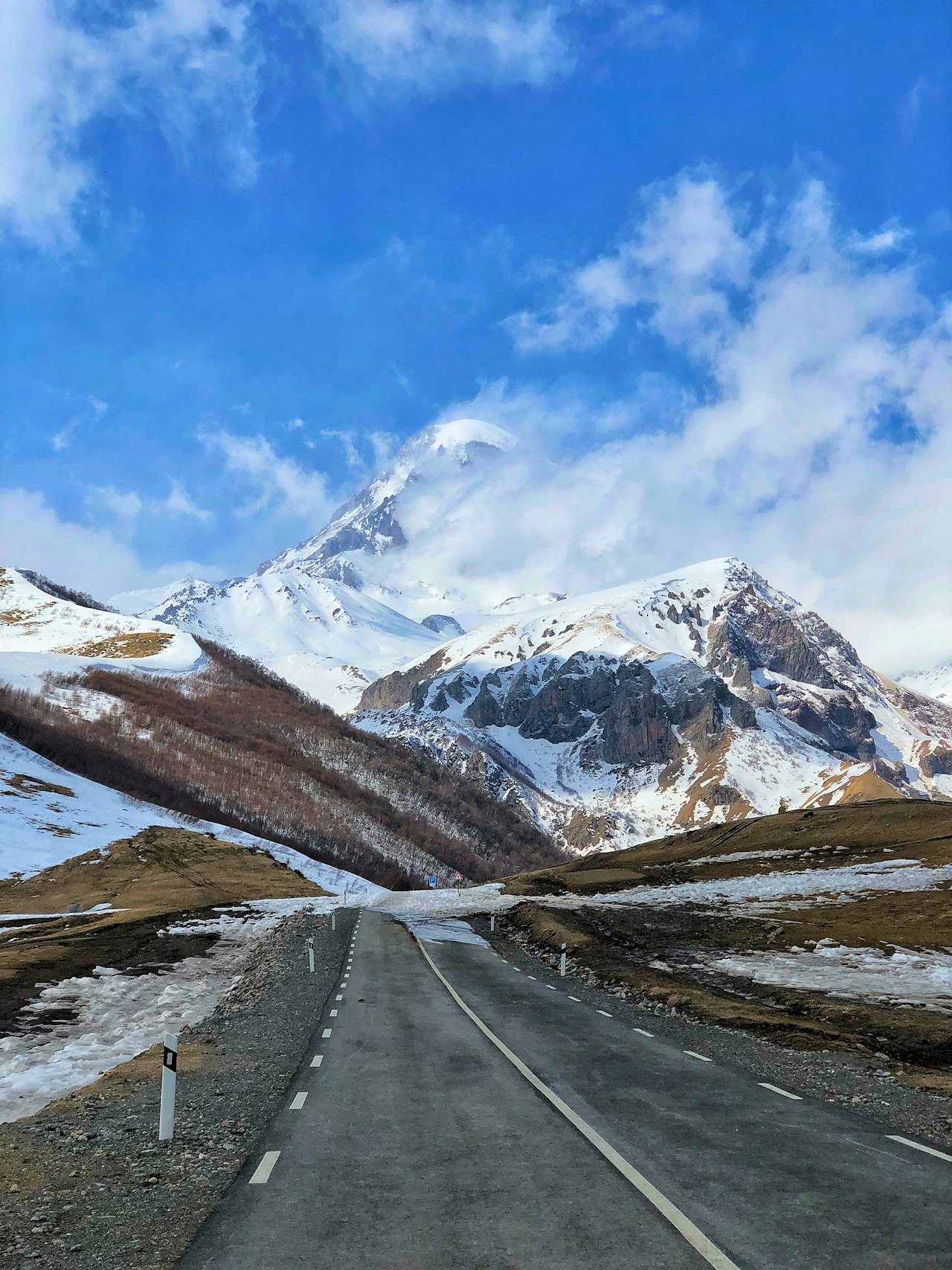
If you rent a car, choose a reputable company and drive defensively. Mountain roads can be closed by snow or landslides, so check conditions before setting off.
Scams and Tourist Traps
Scams in Georgia are relatively mild and usually involve overcharging rather than deception.
Common situations include:
Taxis quoting inflated prices to tourists
Restaurants with unclear menus or hidden charges
Tour operators overselling experiences
The one exception worth knowing about is the inflated bar bill. There have been reports of travellers being invited to a bar or club by someone they've just met, then being presented with a huge bill and pressured by security to pay it. Pick your own venues, and be wary of a new friend who is very keen on one particular place.
How to avoid being overcharged:
Confirm prices before accepting services
Use apps for taxis and navigation
Read recent reviews for tours and restaurants
Ask locals or hotel staff for recommendations
If something feels off, trust your instincts. Walking away is usually enough.
Nightlife Safety and Alcohol Culture
Georgia has a strong drinking culture, especially around wine and traditional feasts. While nightlife areas are generally safe, alcohol can lower inhibitions and lead to uncomfortable situations. For what it's worth, wine isn't my thing, and nobody here has ever made that a problem, so don't feel you have to keep up with every toast.
Stay safe by:
Watching your drink being poured, and buying your own
Drinking in moderation
Avoiding confrontations with intoxicated people
Using trusted transport to get home late at night
There's more on where to go in my Tbilisi nightlife guide.
Solo, Women, and LGBT+ Travellers
Women travelling solo often report feeling safe but should still take standard precautions, especially when socialising with strangers. LGBT+ travellers should know that Georgia is socially conservative outside a few parts of Tbilisi, harassment does happen, and public displays of affection can attract the wrong attention.
Health and Medical Safety
Healthcare in Georgia is adequate in major cities but can be limited in rural or mountainous regions.
Important tips:
Travel insurance isn't optional. Visitors are required to have health and accident insurance for their whole stay, with cover of at least 30,000 lari, and you may be asked to show proof at check-in or on arrival
Carry basic medications with you
Pharmacies are common in cities and towns
Emergency services are reliable, but response times may vary in remote areas
Tap water is generally safe in cities, but bottled water is widely available and inexpensive if you prefer caution.
Mountain and Nature Safety
Georgia's landscapes are stunning, but nature should be treated with respect. Hiking, skiing, and road trips through mountain regions carry risks if not properly planned.
Safety measures include:
Checking weather conditions before trips
Hiring local guides for remote hikes
Telling someone your travel plans
Avoiding solo hikes in unfamiliar terrain
Carrying offline maps and emergency contacts
Phone signal can be weak in remote areas, so preparation matters.
Politics, Protests, and Border Areas
Life here is calm day to day, but Georgian politics can get tense. Large demonstrations happen in Tbilisi, mostly around Rustaveli Avenue and the parliament building, and they can turn violent without warning. Stay away from them, even out of curiosity. Foreigners who take part can face questions on leaving the country or be refused re-entry.
The two Russian-occupied regions, Abkhazia and South Ossetia, are off limits. Most governments advise against all travel there, and crossing into them from Russia is illegal under Georgian law. Don't go near the administrative boundary lines, which aren't always obvious on the ground, and be aware that landmines remain a risk in those areas.
Stick to:
Well-known destinations
Popular travel routes
Official border crossings only
Avoid heated discussions about politics with strangers. It's not dangerous, just respectful.
Cultural Respect as a Safety Measure
Understanding local customs goes a long way in staying safe.
Dress modestly when visiting religious sites
Avoid public displays of disrespect towards religion
Be polite but firm if you feel uncomfortable
Learn a few basic Georgian phrases, it's appreciated
Most misunderstandings are cultural, not malicious.
Emergency Numbers and Practical Tips
Georgia has one number for police, ambulance, and fire: 112. It's free to call, and operators usually speak English as well as Georgian.
Additional tips:
Keep digital copies of important documents
Register with your embassy if staying long-term
Carry some cash for small towns
Trust locals, they often step in to help without being asked
Frequently Asked Questions
Is Georgia safe for tourists right now? Generally yes. Crime against visitors is low, and the main things to avoid are political demonstrations, reckless driving, and the occupied regions of Abkhazia and South Ossetia. Check your government's latest advice before you travel.
Is Tbilisi safe at night? Busy central areas are generally safe at night, including for women. Use Bolt rather than street taxis, and watch your drinks.
Is Georgia safe for solo female travellers? Most women report feeling safe. Standard precautions apply, particularly when socialising with strangers or taking taxis late at night.
What is the emergency number in Georgia? 112, for police, ambulance, and fire.
Final Thoughts: Safe, Welcoming, and Worth It
Georgia offers a rare combination of safety, authenticity, and warmth. For travellers who take basic precautions, it's an easy place to navigate and enjoy. Most safety concerns are minor and manageable, and the rewards far outweigh the risks.
With a little awareness and respect for local norms, Georgia is not just a safe destination, it's one where travellers often feel genuinely looked after.
And that sense of security makes the experience all the more unforgettable.