

07 May 2024
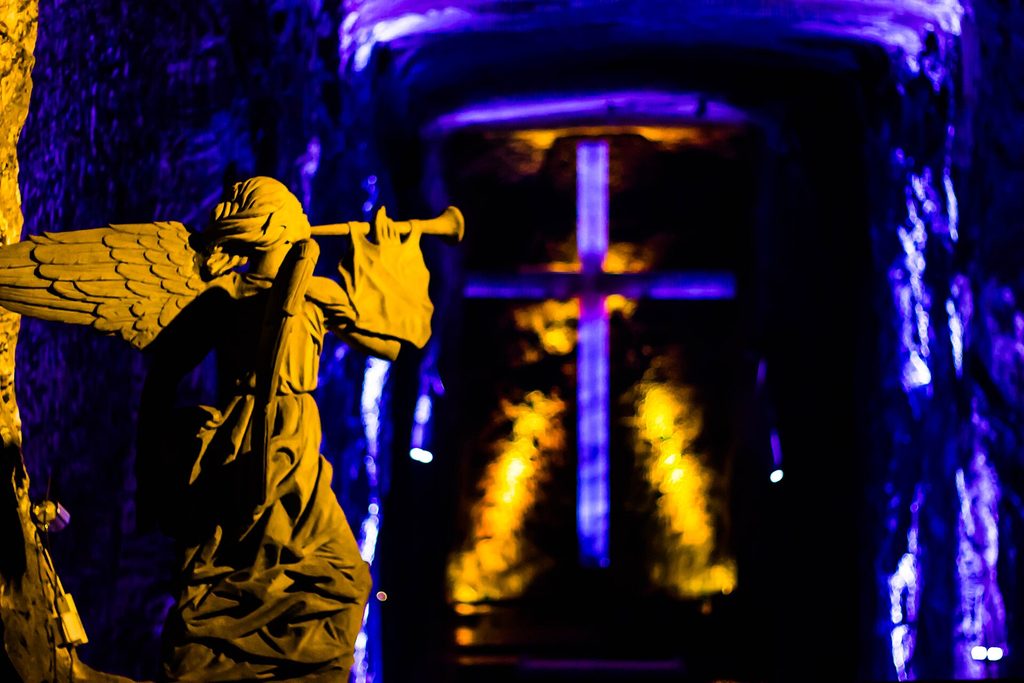
An easy day trip from Bogotá, the town of Zipaquirá hides one of Colombia’s strangest and most striking sights. Deep inside a working salt mine, an entire cathedral has been carved out of the rock, its dim tunnels and glowing crosses making for an unforgettable descent. I’m not remotely a churchgoer, but a cathedral hewn 180 metres down inside a salt mine is exactly the kind of engineering oddity I can’t resist, and Colombia, my favourite corner of the world, serves it up. Known in Spanish as the Catedral de Sal, the Salt Cathedral of Zipaquirá is often called the First Wonder of Colombia.
This guide covers what the Salt Cathedral actually is, the history behind it, and everything you need to plan a smooth visit from the Colombian capital.
A Church Inside a Mountain
The Salt Cathedral is a functioning Roman Catholic church built within the tunnels of a halite, or rock salt, mine, around 180 metres underground. It is carved entirely from the salt itself, and the scale is astonishing: the main nave can hold thousands of worshippers. The engineer in me spent as much time marvelling at how on earth they built it as at the thing itself, and the official Colombian tourism board lists it among the country’s proudest landmarks.
The journey underground follows the fourteen Stations of the Cross, each a chamber carved into the salt and lit in shifting blues and violets, before opening into the vast central cathedral with its enormous illuminated cross. The three main sections symbolise the birth, life, and death of Jesus. Whether or not you are religious, the atmosphere, cool, dim, and echoing, is genuinely moving.
The History Behind It
Salt has been mined here for a very long time. As History Hit notes, the Indigenous Muisca people were extracting salt from these mountains as far back as the fifth century BC. Miners later carved a small sanctuary into the tunnels, a place to pray for safety before each shift.
The first underground church was built in 1932, but structural problems and safety concerns eventually closed it. The cathedral you visit today was carved beneath the old one and inaugurated in 1995. You can read the full architectural story on its Wikipedia entry, and Atlas Obscura captures why it has become such a curiosity for travellers.
Getting There From Bogotá
Zipaquirá lies about 50 kilometres north of Bogotá, in the department of Cundinamarca. You have a few options:
- By car or tour: the drive takes around an hour via the northern highway. Organised half-day tours from the capital are the easiest way and usually include a guide.
- By tourist train: on weekends and holidays, the Tren Turístico de la Sabana departs from Bogotá’s Estación de la Sabana. It’s slow, but I’m a sucker for a train, so the scenic two-hour journey was an easy sell and an experience in itself.
- By public bus: the cheapest option, running frequently from the Portal del Norte terminal.
Because it is such a manageable distance, the Salt Cathedral pairs perfectly with a base in the capital. If you are still planning where to stay, see our guide to the best places to stay in Bogotá, and for peace of mind on the road, our overview of the safest cities in Colombia is worth a read.
Tips for Visiting
- Arrive early. The cathedral opens around 9 a.m. and gets busy with tour groups and Sunday worshippers later in the day. Early visits are quieter and more atmospheric.
- Bring a light jacket. The temperature underground stays constant and cool year-round, regardless of the weather outside.
- Wear comfortable shoes. The route involves walking on uneven, sloping ground for the better part of an hour.
- Allow extra time for the town. Zipaquirá’s colonial main square and cathedral above ground are worth a wander once you resurface.
Is It Worth the Hype?
It is undeniably touristy, and purists sometimes grumble that it is more spectacle than sacred site. But the sheer strangeness and scale of a cathedral hewn from salt win most visitors over. Going early, before the crowds and the coloured light shows fill the chambers, helps you appreciate the quiet and the craftsmanship of the place.
Frequently Asked Questions
How deep is the Salt Cathedral of Zipaquirá? The cathedral sits roughly 180 metres underground, carved into the tunnels of a former salt mine in a halite mountain.
How do you get to the Salt Cathedral from Bogotá? It is about an hour by car or tour bus, or around two hours on the weekend tourist train from Bogotá’s Estación de la Sabana. Public buses also run from the Portal del Norte.
How long do you need at the Salt Cathedral? Allow one to two hours for the underground route, plus extra time to explore the town of Zipaquirá above.
Final Thoughts
The Salt Cathedral of Zipaquirá is a genuinely one-of-a-kind experience and one of the easiest escapes from Bogotá. Few places manage to turn a working mine into something quite so atmospheric, and descending into the glowing salt tunnels is a memory that stays with you long after you climb back into the daylight.