

06 January 2026
Just off the main Garden Route, the small town of Still Bay, or Stilbaai in Afrikaans, is the kind of place travellers stumble on and then keep to themselves. With long, clean beaches, a clear tidal river, ancient stone fish traps, and a genuinely unhurried feel, it is a quiet alternative to the busier towns along the coast. If you want the Garden Route’s beauty without the crowds, this is where to slow down, and even a restless soul like me managed it here.
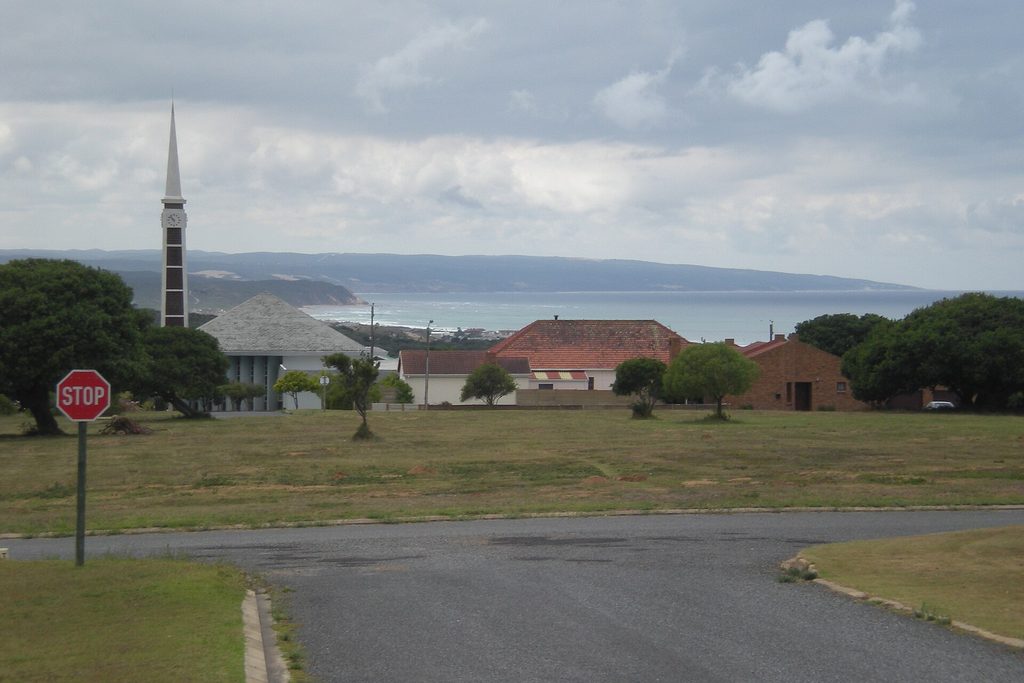
This guide covers the best of Still Bay, from its Blue Flag beaches to its remarkable prehistoric heritage.
Beaches Without the Crowds
Still Bay’s beaches are wide, clean, and often almost empty, even in the South African summer. Lappiesbaai is a Blue Flag beach with calm, shallow water and soft sand, ideal for families, while Preekstoel, named after a pulpit-shaped rock, is quieter and more rugged. The Goukou River cuts through town, navigable for some 15 kilometres inland and perfect for canoeing, swimming, and gentle boating. It is a place for long walks, calm swims, and doing very little in the best possible way.
Ancient Tidal Fish Traps
Still Bay’s most fascinating feature is invisible at high water. Set in the rocks along the shore are some of the oldest known tidal fish traps in the world, stone-walled kraals built by the area’s early inhabitants thousands of years ago to trap fish on a falling tide. They still work today and hold National Monument status. The Cradle of Human Culture route explains their significance, and it is a genuine, tangible link to the deep human history of this coast.
That history runs even deeper nearby. The famous Blombos Cave, a short way along the coast, produced some of the earliest evidence of symbolic human behaviour anywhere on Earth, engraved ochre and shell beads tens of thousands of years old. As someone endlessly curious about where we come from, I found standing this close to the dawn of the human mind genuinely humbling, and it’s why the whole region is branded the Cradle of Human Culture.
Quirky Local Touches
Still Bay has a few surprises for such a small place. At the local information bureau you can feed the country’s only tame freshwater eels, which come to the surface at feeding time, an oddly charming daily ritual. For something more grown-up, the acclaimed Inverroche Distillery makes gin using wild Karoo and coastal fynbos botanicals, and offers tastings. The official Stilbaai tourism site lists more, and the town’s Wikipedia page has background on its setting in the Hessequa region.
Slow by Design
There are no big-ticket attractions in Still Bay, and that is exactly the point. It is a town for slowing right down, and it rewards travellers who value peace over a packed itinerary. It sits just west of the main Garden Route towns, making an easy detour from Mossel Bay at the start of the route, or a quiet contrast to the whale-watching bustle of Hermanus further along the coast toward Cape Town.
Frequently Asked Questions
What is Still Bay known for? Its quiet Blue Flag beaches, the ancient tidal fish traps in the rocks, the tame eels at the information bureau, and its position near the archaeologically important Blombos Cave.
How old are the Still Bay fish traps? The stone tidal fish traps are thought to be thousands of years old and are among the oldest known anywhere, still functioning today and protected as a national monument.
Is Still Bay worth visiting? Yes, if you want a quiet, uncrowded beach town. It lacks big attractions by design, offering instead peaceful beaches, a lovely river, and a fascinating prehistoric heritage.
Final Thoughts
Still Bay is proof that the best coastal escapes are often the ones just off the main road. For quiet beaches, a beautiful river, and a tangible link to humanity’s distant past, this small Southern Cape gem is well worth seeking out.