

17 March 2026
São Paulo is where much of the world lands in Brazil, and where many travellers promptly connect onward to Rio or the beaches. The megacity’s sheer size and lack of obvious postcard sights make it easy to skip. But treat São Paulo as just an airport and you miss one of South America’s most rewarding cities, the culinary and cultural capital of Brazil. So is it worth more than a layover? I adore Latin America, even if my Spanish only half-works in Portuguese-speaking Brazil, and for anyone who likes food and city life the way I do, the answer is absolutely.
This guide explains why São Paulo grows on people, from its beating central avenue to its extraordinary food.
It Doesn’t Sell Itself
Let’s be honest about the first impression. São Paulo has no Christ the Redeemer, no famous beach, and an endless grey skyline that can intimidate first-timers. Its charms are not obvious from a plane window or a taxi on the ring road, which is precisely why so many people pass straight through. But the city rewards curiosity rather than checklists, and its appeal reveals itself once you get out and walk.
Culture on Avenida Paulista
The best place to start is Avenida Paulista, the skyscraper-lined boulevard at the city’s heart. It is home to the excellent Museu de Arte de São Paulo (MASP), instantly recognisable for the bold red beams that lift it off the ground, and I’ll be honest, it was the audacious engineering of the building, more than the art hung inside it, that got me. On Sundays the whole avenue closes to traffic and fills with musicians, cyclists, and families, the city at its most joyful.
Explore the Neighbourhoods
São Paulo is really a patchwork of distinct districts:
- Vila Madalena, the artsy, bohemian quarter, is packed with bars, galleries, and the mural-covered lanes of Beco do Batman, the city’s best street art.
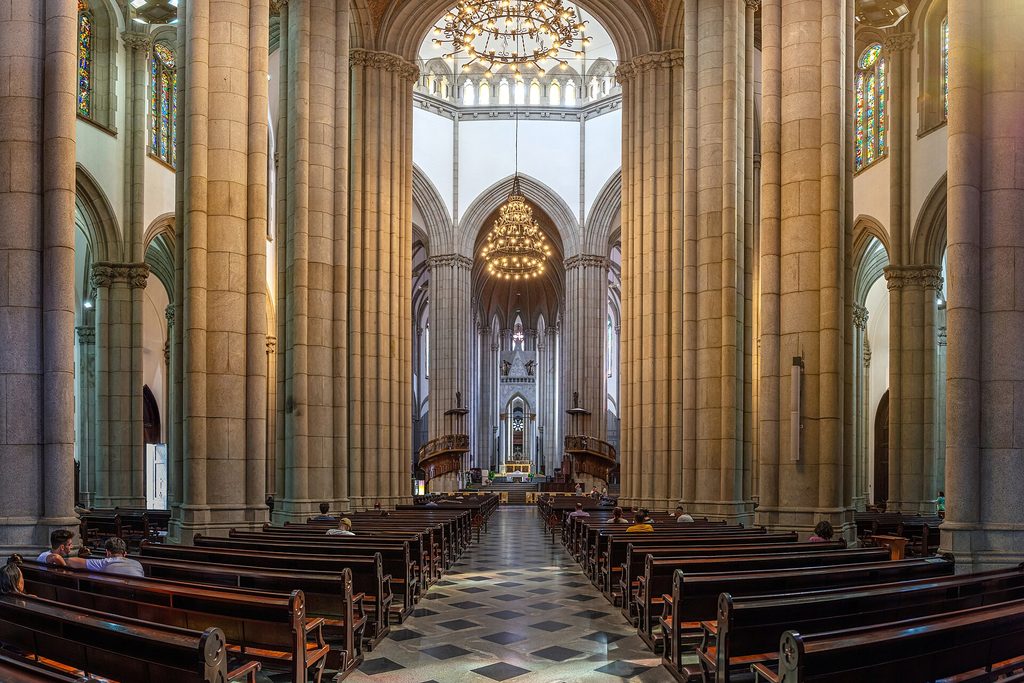
- The historic centre around the Sé Cathedral and the bustling Mercadão municipal market, famous for its giant mortadella sandwiches and cod pastries under German stained glass.
- Liberdade, the historic Japanese district, home to the largest Japanese community outside Japan.
A Food Capital
This is where São Paulo truly wins people over. It is widely considered the best place to eat in Brazil, shaped by waves of Italian, Japanese, Lebanese, and Syrian immigration. It has the largest Italian population outside Italy, and its pizza is legendary; its Japanese food rivals Tokyo’s; and its Brazilian churrascarias and street food are superb. Lonely Planet’s guide to the city barely scratches the surface of the range on offer.
Getting Around Safely
The metro is clean, safe, and by far the smartest way to beat the city’s notorious traffic. As in any big city, keep your wits about you, avoid flashing valuables, and stick to busier areas at night, and São Paulo is very manageable.
Frequently Asked Questions
Is São Paulo worth visiting? Yes, if you give it time. It lacks obvious landmarks but offers world-class food, the art of MASP, vibrant neighbourhoods like Vila Madalena, and the energy of a true megacity.
How many days do you need in São Paulo? Two or three days is enough to see Avenida Paulista, a couple of neighbourhoods, the market, and to eat very well, rather than treating it as a mere layover.
Is São Paulo safe for tourists? With normal big-city precautions, yes. Use the metro, avoid displaying valuables, and stay in busier areas at night.
Final Thoughts
São Paulo is not a city that impresses at first glance; it is one that grows on you over a few days of eating and wandering. Give it more than a layover and Brazil’s megacity quietly wins you over. For more of South America, see our guides to Bogotá and the underground Salt Cathedral of Zipaquirá in neighbouring Colombia.