

22 June 2022
For many first-time visitors, the New York subway is the scariest part of the trip. The map looks like tangled spaghetti, the express and local trains trip people up, and the stations can be loud and grimy. But is the subway actually as confusing as its reputation suggests? Honestly, no. I have the kind of tech-shaped brain that enjoys reverse-engineering a transit map, and even discounting that, this one clicks fast. Give it one nervous day and it becomes the key that unlocks the entire city, cheaper and faster than any taxi.
This guide clears up the parts that trip tourists up, explains how to pay, and shows why the New York City Subway clicks faster than you fear.
The Part That Trips People Up
The single genuine gotcha is express versus local trains. Local trains stop at every station; express trains skip many stops to cover long distances quickly. Board the wrong one and you can sail straight past your stop, or find yourself much further uptown than you intended. The fix is simple: check the signs on the platform and the train, and use a mapping app to confirm your train actually stops where you are going. Learn that one distinction and half the confusion disappears.
The other quirk is direction. In Manhattan, Uptown means trains heading north (toward higher street numbers) and Downtown means south. Entrances are sometimes for one direction only, so read the signs before you tap in. A good tourist subway guide spells out the basics.
How to Pay: OMNY Takes Over
Paying has actually got easier. The old MetroCard is being retired in favour of OMNY, the contactless tap-and-go system. You simply tap a contactless bank card or phone on the reader at the turnstile, no ticket machine required. Even better, OMNY has a weekly fare cap: after 12 rides in seven days, the rest of your week’s rides are effectively free. Transfers between subway and bus within two hours are free too. You can read how OMNY works before you go, but as someone who lives on contactless everything, I can promise it could not be simpler for a visitor.
Why It Clicks Fast
Once you have a mapping app and a tap of your card, the flat fare and round-the-clock service make the subway by far the best way to move through the city. It runs 24 hours a day, reaches almost everywhere you will want to go, and costs a fraction of a cab stuck in Midtown traffic. Most visitors are riding it with confidence within a day.
A Few Habits That Help
- Know your direction (uptown or downtown) before you enter, so you pick the right platform.
- Have a mapping app open; it will tell you the line, direction, and whether it is express.
- Keep your wits about you late at night, as you would in any big city, and stick to busier cars.
- Don’t be afraid to ask. New Yorkers are far friendlier with directions than their reputation suggests.
Frequently Asked Questions
Is the New York subway hard to use for tourists? Not really. The main thing to learn is the difference between express and local trains and your direction (uptown or downtown). With a mapping app, most visitors master it within a day.
How do you pay for the New York subway? By tapping a contactless card or phone on the OMNY readers at the turnstiles. The old MetroCard is being phased out. OMNY also caps your fare after 12 rides a week.
Is the New York subway safe for tourists? Generally yes, especially during the day and in busy areas. Use normal big-city caution, stay alert late at night, and stick to busier cars.
Final Thoughts
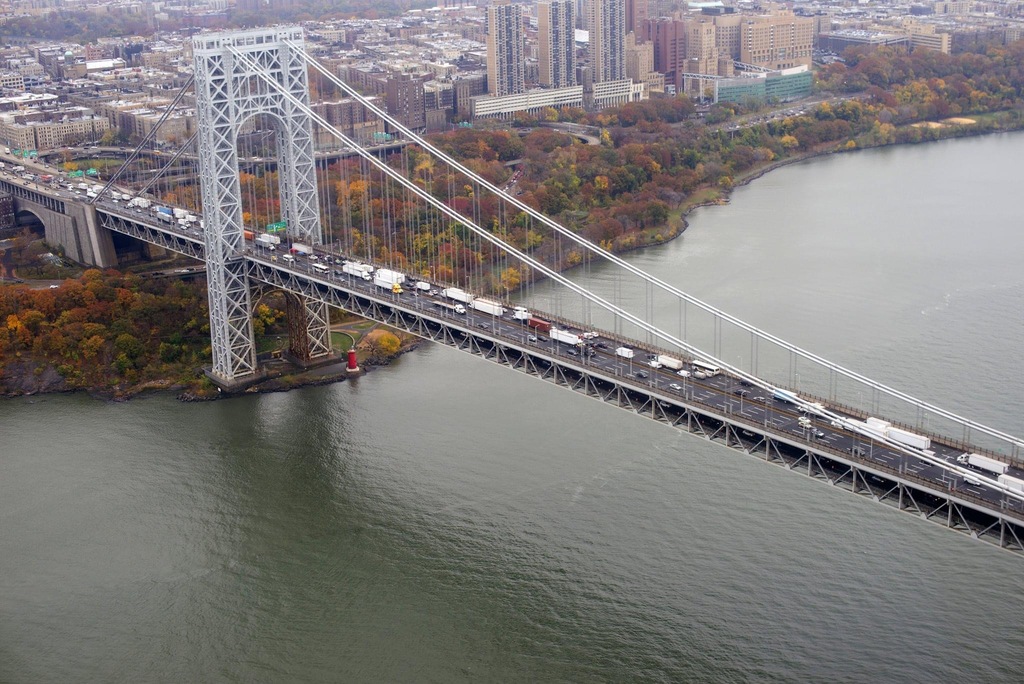
I’ve splurged on seeing New York from the air too, a chartered helicopter, since my pilot’s licence only covers aeroplanes, and it’s spectacular. But at street level, the subway looks far worse than it is. Give it one nervous day and it becomes the fastest, cheapest way to see New York, from the Bronx to Brooklyn. Master it, and the whole city opens up. Heading elsewhere in the US afterwards? See our takes on Arlington, the quiet side of Washington DC and the reinvented tobacco town of Durham, North Carolina.