

28 February 2023
Few cities pack as much contrast into one view as Panama City. Gleaming towers rise beside a centuries-old colonial quarter, and just outside the centre, huge ships queue to transit one of the engineering wonders of the world. I have a deep soft spot for Latin America, and the tech-minded side of me can’t resist a whole city built around such a staggering feat of engineering. It is a place shaped by a waterway that changed history, and it makes a fascinating, easy-to-explore stop in Central America.
This guide covers the canal, the old town, and the best of a city where the Pacific, the skyline, and the jungle all meet.
Watching the Canal in Action
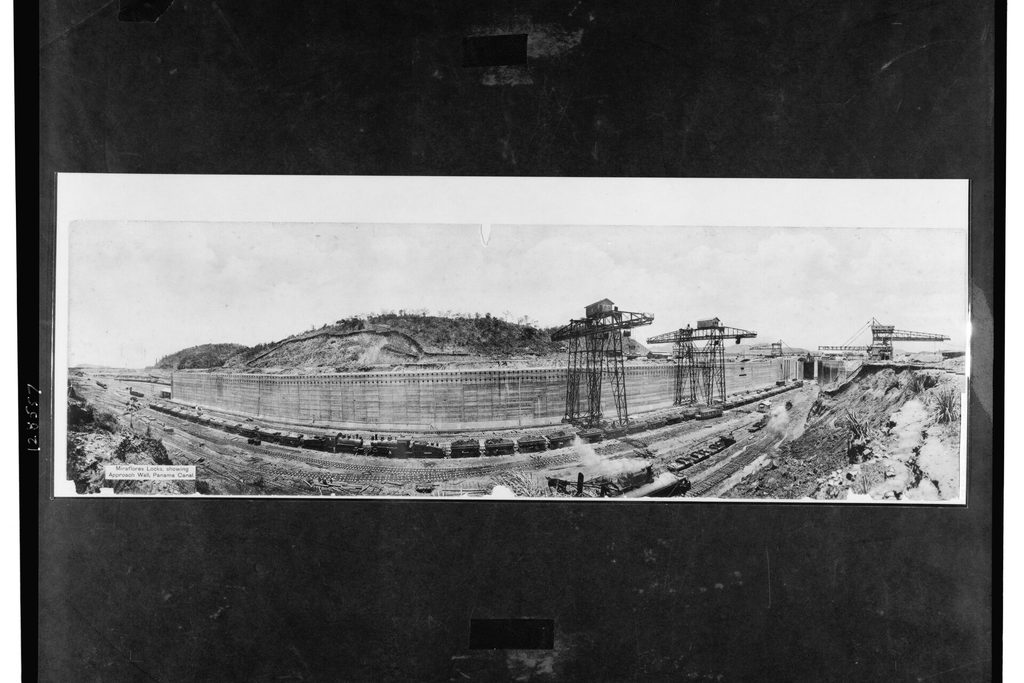
The Panama Canal is the reason the city exists as it does, and seeing it up close is genuinely gripping. The best spot is the Miraflores Locks, about 20 minutes from downtown, where a visitor centre with viewing decks, a museum, and an IMAX theatre lets you watch enormous cargo ships rise and fall some 16 metres between ocean levels. I could have watched all day; there is something hypnotic about hundred-year-old engineering still doing its job flawlessly. Go in the mid-morning or mid-afternoon, when ship traffic is busiest, to catch the locks in action.
Casco Viejo’s Old-World Charm
The restored colonial quarter of Casco Viejo is the atmospheric heart of the city, and its prettiest corner. Cobbled streets, colourful facades, and leafy plazas, Plaza de la Independencia, Plaza Simón Bolívar, the Metropolitan Cathedral, lead to the seafront Paseo Esteban Huertas promenade atop the old city walls, draped in bougainvillea and looking across the bay to the skyline. Come evening, its rooftop bars and restaurants are the place to be, and being able to get by in Spanish made ordering, and lingering, all the more fun, as Lonely Planet’s Casco Viejo guide details.
A Skyline Like No Other in the Region
Panama City’s cluster of skyscrapers is unlike anything else in Central America, a reminder of its role as a banking and shipping hub. The best way to take it in is from the Amador Causeway, a palm-lined road built on canal spoil that links three islands, with the skyline on one side, the canal entrance on the other, and the striking, Frank Gehry-designed Biomuseo along the way. It is a popular spot for a sunset walk or cycle.
History at Panamá Viejo
For deeper history, the ruins of Panamá Viejo mark the site of the first European city on the Pacific coast of the Americas, founded in 1519 and sacked by the pirate Henry Morgan in 1671. A climb up the old cathedral tower gives sweeping views over the ruins with the modern skyline rising behind, a neat encapsulation of the city’s old-meets-new character.
Frequently Asked Questions
What is Panama City known for? The Panama Canal, its dramatic modern skyline, and the beautiful colonial old town of Casco Viejo, all within a compact, easy-to-explore capital.
Where is the best place to see the Panama Canal? The Miraflores Locks, about 20 minutes from downtown, where a visitor centre lets you watch ships pass through. Ship traffic is busiest mid-morning and mid-afternoon.
Is Panama City worth visiting? Yes. The combination of the canal, the skyline, Casco Viejo, and easy access to rainforest and beaches makes it one of Central America’s most rewarding city stops.
Final Thoughts
Panama City is a study in contrasts, ancient and modern, local and global. Between the canal, the old town, and the towers, it offers more than most travellers expect from a quick stop. It also pairs naturally with neighbouring Colombia, from the neighbourhoods of Bogotá to the underground Salt Cathedral of Zipaquirá just north of the capital.