

08 June 2022
Paris is one of those cities people try to squeeze into a day on a wider European trip, and then wish they had given it far longer. Between the size of the museums, the time it takes to move around, and the simple pleasure of sitting in a café doing nothing, the French capital rewards a slower pace. I speak French, and I never miss the excuse to use it here, ordering, eavesdropping, getting pleasantly lost down a side street. So how many days do you actually need in Paris? For a first visit, three to four is the sweet spot.
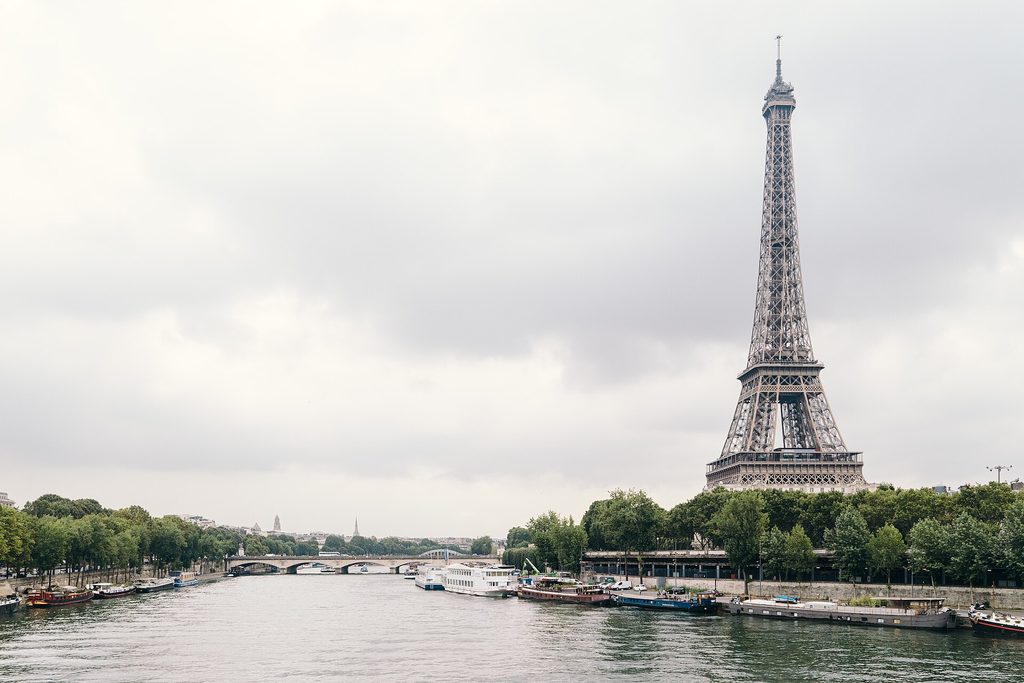
This guide breaks down what you can realistically see in one, three, or four days, so you can plan a first trip that hits the highlights without leaving you exhausted.
One Day in Paris: The Whistle-Stop Tour
You can see the icons in a single day, but it will be busy. A workable one-day route takes in the Eiffel Tower in the morning, a walk to the Arc de Triomphe and down the Champs-Élysées, an afternoon at the Louvre (choosing just a few highlights rather than trying to see it all), and an evening climb to Montmartre and the Sacré-Cœur for sunset over the city.
It is doable, but you will only scratch the surface. A single day is best thought of as a taster on a layover or a longer rail trip, not a proper visit.
Three Days: The Comfortable First Trip
Three days is where Paris starts to breathe. It gives you time for:
- Day one: the Eiffel Tower, Trocadéro, and a stroll along the Seine, ending in the Latin Quarter.
- Day two: one big museum, the Louvre or the Impressionist-filled Musée d’Orsay, then the Île de la Cité, Notre-Dame, and the boutiques of the Marais.
- Day three: Montmartre, its artists’ square and Sacré-Cœur, plus time to simply wander and sit in cafés.
With three days you see the essentials without sprinting between them, which for most first-timers is the ideal length.
Four Days or More: Room for Versailles
A fourth day lets you slow down further or take a day trip to the Palace of Versailles, the extraordinary former royal seat just outside the city, easily reached by train. It also leaves room for the second great museum you skipped, a picnic in the Luxembourg Gardens, or a lazy morning at a market. If you love art, food, or history, Paris can happily fill a week; I’ll confess galleries aren’t my natural habitat, and it still does.
Making the Most of Your Time
A few practical tips help whatever your length of stay:
- Use the Metro. Paris is walkable but large; the Metro is quick, cheap, and reaches everywhere. A carnet of tickets or a travel pass saves money.
- Book big sights ahead. Timed tickets for the Eiffel Tower and the Louvre save hours of queuing.
- Pick neighbourhoods, not just monuments. The character of Paris lives in its arrondissements, from the Marais to Saint-Germain, as much as in its landmarks.
- Consider a day at Disneyland. Travelling with children? The parks at Chessy, just east of the city, make an easy day trip by RER.
Frequently Asked Questions
How many days do you need in Paris for a first visit? Three to four days is ideal. Three covers the major sights comfortably, and a fourth allows a day trip to Versailles or a slower pace.
Can you see Paris in one day? You can see the main icons, the Eiffel Tower, Louvre highlights, and Montmartre, in a single day, but it is rushed and only really suits a layover or a taster.
Is Paris walkable? The centre is very walkable, but the city is large, so combine walking with the Metro to cover longer distances comfortably.
Final Thoughts
Paris punishes hurry and rewards patience. Give it three or four days and it opens up, from world-class museums to quiet café mornings, and you will leave already planning your return, I always do. If you can spare only a day, you will still fall for it, just be honest that you are meeting Paris rather than getting to know it. From here, the rest of Europe is close: London is a couple of hours by train, and Venice an easy flight away.