

11 October 2026
I was in this part of the world recently, and my strong opinion on Jerusalem is simple: one day is not enough. It's the number most people give it, usually as a day trip from Tel Aviv, and it's a good way to spend eight hours in queues and leave having felt very little. Plan for three days. Two if you have no choice. And read the safety section below before you plan anything at all, because that part matters more here than in most cities on this site.
The Short Answer
One day: the Old City highlights at a sprint. Doable. Not recommended.
Two days: the Old City plus one of the big museums. The real minimum.
Three days: the Old City without rushing, the museums, a market evening, and time to sit down. This is what I'd plan.
Four or five days: for pilgrims, history obsessives, and anyone adding a guided trip beyond the city.
That squares with what you'll read elsewhere: most itineraries land on three days, and even the fast versions treat a single day as too little.
What the Advisories Say
Re-check all of this before you travel. It changes.
The UK Foreign Office advice says terrorist attacks are very likely and names the Old City as a possible target. It records violent incidents at and around Damascus Gate, Herod's Gate, Lion's Gate and Chain Gate.
Its regional risk guidance says demonstrations can occur across Jerusalem, including East Jerusalem and the Old City, often after Friday prayers. If shops in the Old City suddenly close, take that as your cue to leave. Old City entrances may have extra checks or be closed, and there have been violent incidents on or near public transport.
Rocket and drone attacks remain a risk across Israel, and regional airspace can close at short notice.
The US State Department advisory lists Israel at Level 3: Reconsider Travel.
My own practical read: Fridays, Jewish high holidays and Ramadan are when tension is most often flagged, so build your Old City time around those. And check that your insurer covers the itinerary before you pay for anything.
Day One: The Old City
The Old City is divided into four quarters, Armenian, Christian, Jewish and Muslim, inside Ottoman-era walls. Don't try to tick off everything. Give yourself a full day for three things, in whatever order the crowds allow.
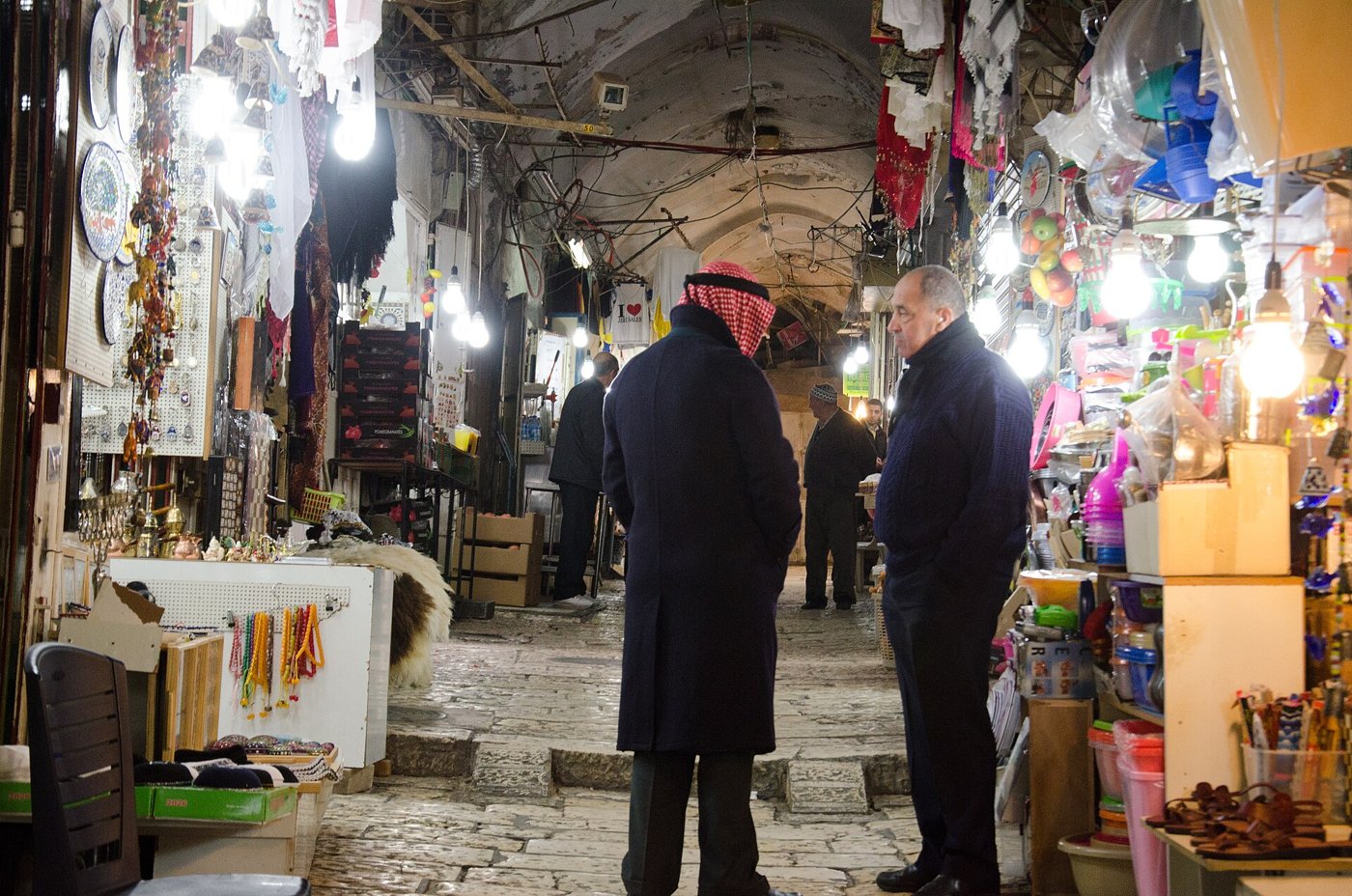
The Church of the Holy Sepulchre. At the end of the Via Dolorosa and the holiest site in Christianity. Expect to queue for an hour or more to see the tomb chamber, and go early.
The Western Wall. A retaining wall of the Temple Mount, and the closest place Jews can pray to the site of the Temple. Dress modestly and be respectful of people at prayer.
The Temple Mount, or Noble Sanctuary. Access for non-Muslims is limited and not permitted during Muslim prayer times. Hours and rules change, sometimes on the day, so ask locally before you make plans around it. If it's closed when you get there, don't argue. Just go elsewhere.
Most of it is reached from Jaffa Gate or Damascus Gate; Jaffa Gate is also where the Ramparts Walk and the Tower of David begin.
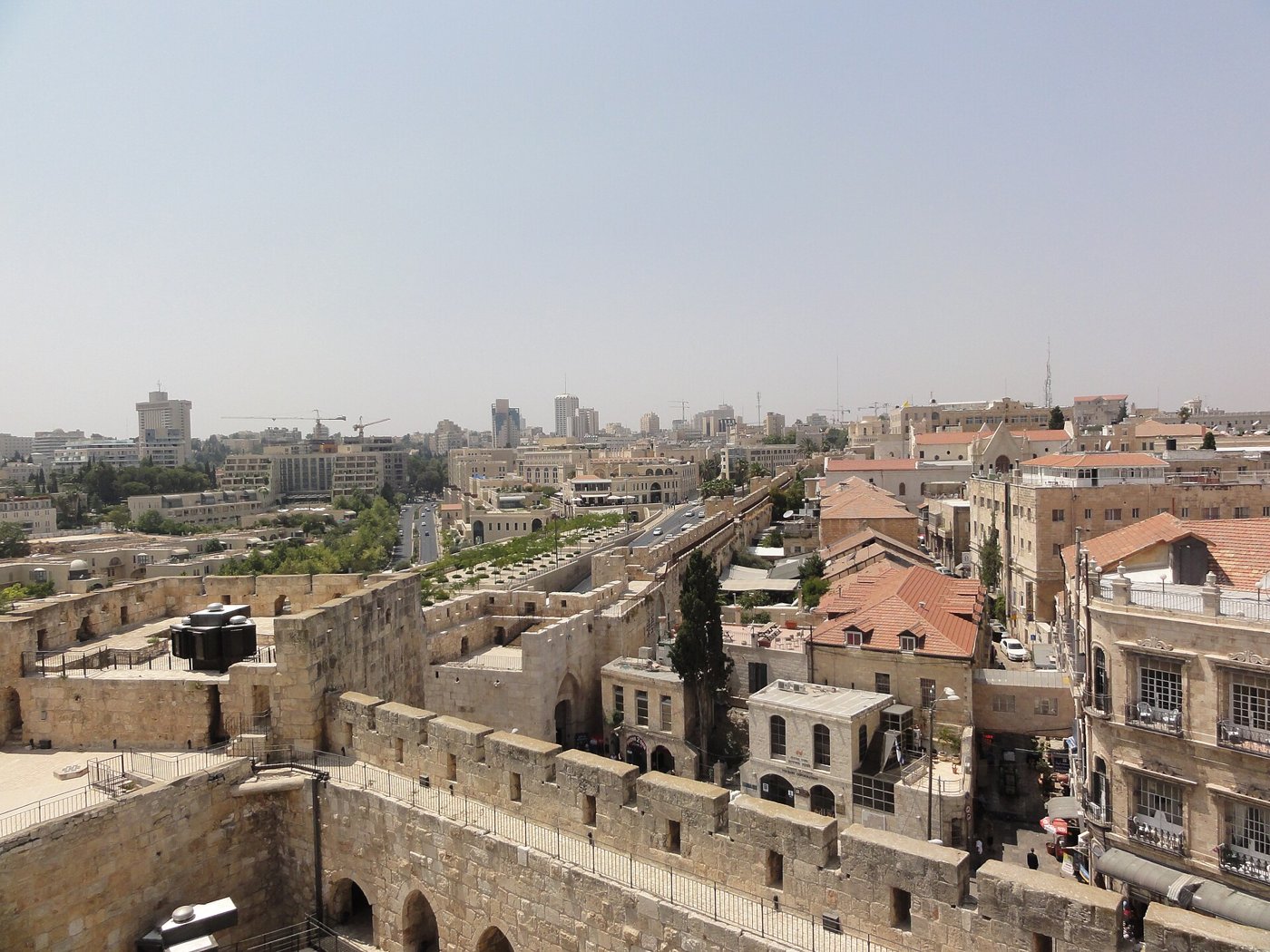
Day Two: Museums and Memory
Pick the two big ones, and don't try to squeeze them in after a morning in the Old City.
Yad Vashem, Israel's Holocaust memorial and museum, is reached from the Mount Herzl light rail stop. It is not the sort of place you want to rush or follow with a loud lunch. Give it the morning.
The Israel Museum is the country's largest, best known for the Dead Sea Scrolls and the Aleppo Codex. If you only have energy for a part of it, go for those.
Day Three: The Market and the Modern City
Mahane Yehuda is a big, busy market by day that turns into a bar and restaurant strip after dark. It closes for Shabbat, so check times locally and don't plan Friday night here. With the remaining hours, walk the modern centre, go back to the part of the Old City that you liked best, or simply sit somewhere with a view. A city this dense needs some time left unscheduled, and that's the point of a third day.
Logistics Worth Getting Right
Getting there. The train from Tel Aviv takes about 35 minutes and has run every 30 minutes on weekdays. As with everything here, confirm the current timetable.
Getting around. The light rail passes the Old City at Damascus Gate and City Hall and continues to Mahane Yehuda, the Central Bus Station and Mount Herzl. Pay with a Rav-Kav card. Keep the FCDO's caution about public transport in mind.
Shabbat. From Friday afternoon until Saturday evening, buses and trains stop and much of West Jerusalem closes down. Taxis still run and may charge more. This catches people out every single week. Structure your trip so Saturday is a walking day in the Old City, where the rhythm is different, or a rest day. The FCDO also warns against driving into ultra-Orthodox neighbourhoods on Shabbat.
Dress. The FCDO says to cover your shoulders, upper arms and legs above the knee in Jerusalem, and holy sites and religious neighbourhoods expect modest clothing. Pack with that in mind and you won't get turned away.
Entry. UK travellers need an ETA-IL before arrival. Check the requirement for your own passport.
Where Bethlehem Fits
It's tempting to add Bethlehem as a half-day. It is close on the map, but it's in the West Bank and has its own checkpoint and transport logistics, as well as a separate advisory position. Plan it as a deliberate extra day, not an afterthought. Three days in Jerusalem and a day for Bethlehem is a reasonable shape for a trip.
Frequently Asked Questions
How many days in Jerusalem is enough? Three days covers the Old City, the main museums and a market evening without rushing. Two days is the realistic minimum.
Is one day enough for Jerusalem? For a first look at the Old City, technically yes. But expect queues at the main sites and a rushed experience.
Is Jerusalem safe to visit right now? As of November 2026, the UK and US both publish specific warnings. The FCDO says attacks are very likely and names the Old City as a possible target, and the US lists Israel at Level 3: Reconsider Travel. Read the current official advice before deciding.
What should you wear in Jerusalem? Cover shoulders, upper arms and legs above the knee, especially at holy sites and in religious neighbourhoods.
What closes on Shabbat in Jerusalem? Buses, trains and much of West Jerusalem close from Friday afternoon until Saturday evening. Taxis still run, often at higher fares.
Final Thoughts
Jerusalem is not a city you can do quickly and it punishes people who try. Give it three days, keep Friday and Saturday in mind, read the current advice carefully, and accept that some of what you came to see may be closed on the day. Done that way, it's worth more than almost anything else in the region.