

31 October 2026
I was in this part of the world recently, and I came home with the same conclusion I'd give a friend: Tel Aviv is a very good city, and the real question in 2026 is not the beaches. The question is whether the current situation suits you. So here's my verdict up front. If you've read the advisories, your insurer is happy, and you can live with plans changing at short notice, Tel Aviv is worth visiting. If any of those three is a no, wait.
Most "is Tel Aviv worth visiting" articles skip that part, or were written before it mattered. I'd rather start with it.
What the Advisories Say
Rules and risks here can shift within days, so treat this as a snapshot and re-check before you book, and again before you fly.
The UK Foreign Office advice for Israel does not list Tel Aviv among the areas it advises against. It does advise against all travel to Gaza and the areas within 500m of its border, parts of the West Bank, and northern Israel north of a defined line along Route 89 and Route 91.
The same advice warns that rocket and drone attacks remain a risk across Israel, though they have become less frequent, that the regional situation "remains deeply unpredictable", and that airports and airspace could close at short notice. If you're told to take shelter, use a protected space or communal shelter and follow Home Front Command guidance.
The FCDO's regional advice asks visitors to take extra care on public transport in the wider Tel Aviv area, and notes that large demonstrations have sometimes disrupted access to Ben Gurion airport.
The US State Department advisory, puts Israel at Level 3: Reconsider Travel, for terrorism and unrest.
Your own government's page is the one that counts, and travelling against official advice can invalidate your insurance. Check that first, not last.
Why Tel Aviv Is Worth the Effort
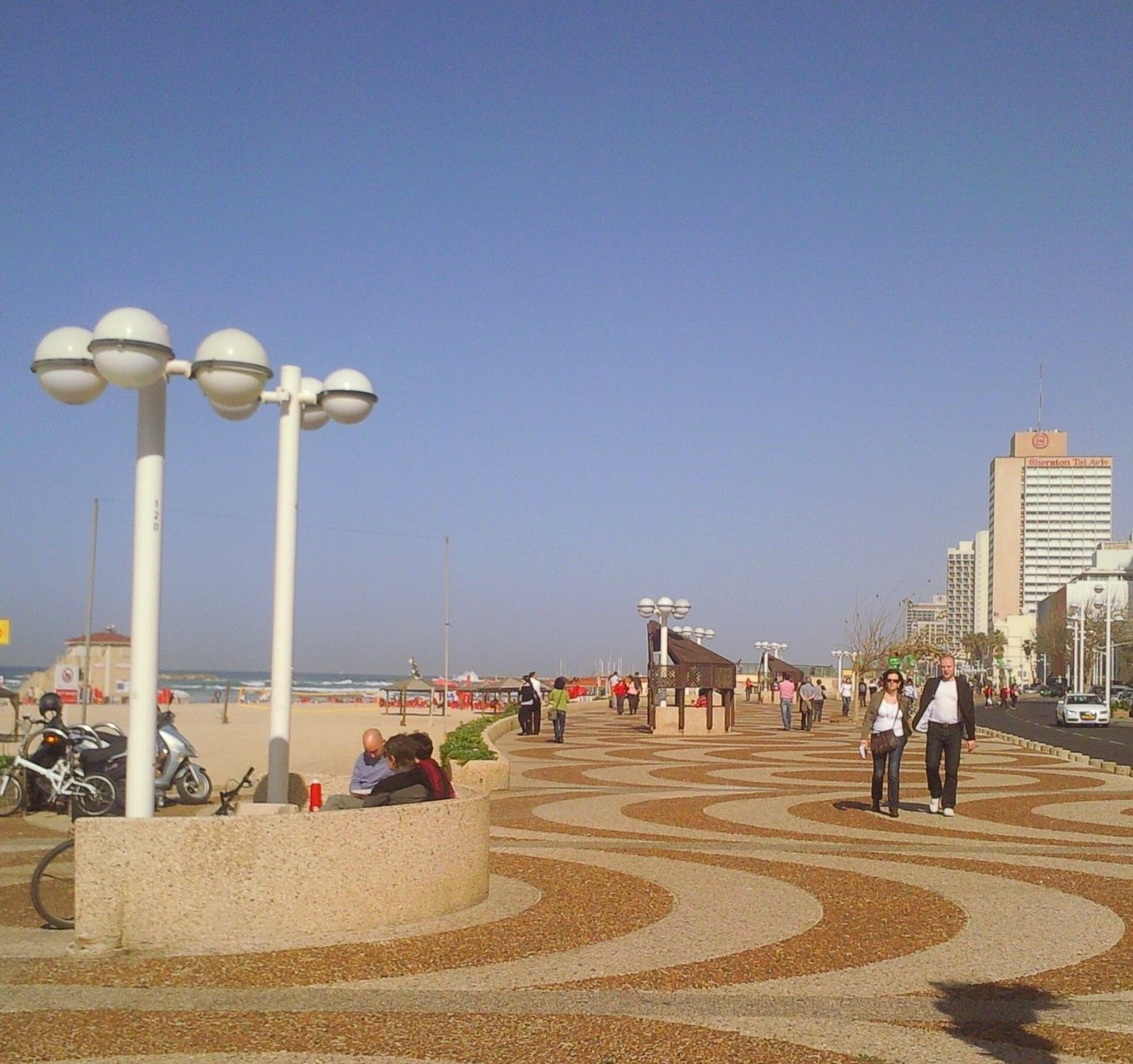
Strip away the headlines and what you have is a compact, walkable, slightly restless Mediterranean city with a beach at the end of most streets. It doesn't have the deep antiquity of Jerusalem, and it doesn't want it. Its appeal is daily life: the sea, the coffee, the markets, and a skyline that mixes glass towers with peeling white apartment blocks.
The Bauhaus Buildings Are the Hidden Headline
The thing most first-timers don't come for and end up talking about is the architecture. The White City was named a UNESCO World Heritage site in 2003 for its 1930s to 1950s International-style buildings, the reason for that nickname. Don't expect a tidy museum district. Plenty of it is ordinary housing in varying states of repair, which is exactly why I like it. Guided Bauhaus walks are the easiest way to learn what you're looking at.
Jaffa, the Old Port to the South
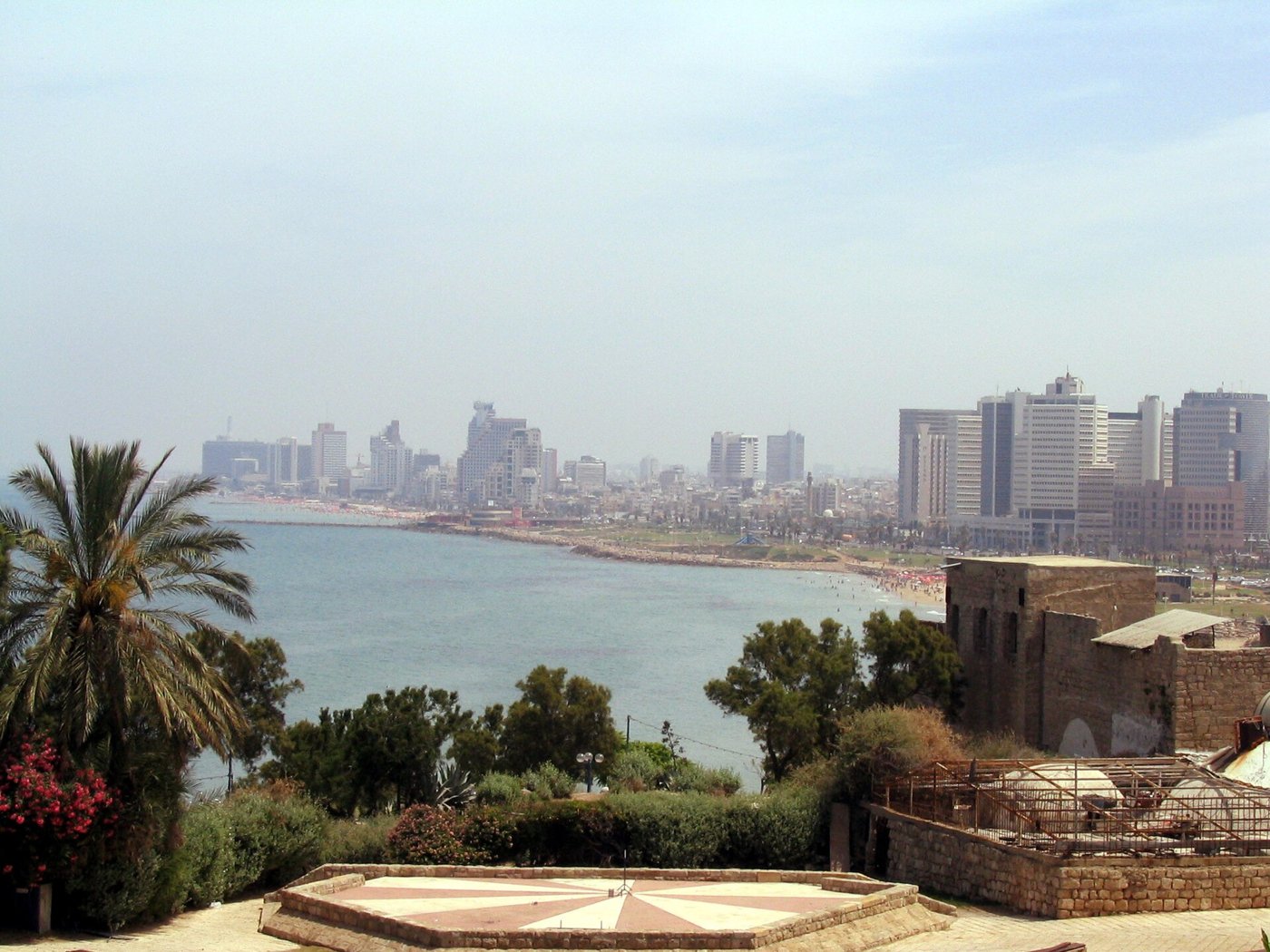
Walk or cycle south along the seafront and you end up in Jaffa, one of the world's oldest ports, with its clock tower, old city and large flea market. It's the natural counterpoint to the modern centre, and if you only have one afternoon away from the beach, spend it here.
The Promenade and the Beaches
A paved route runs along the coast from Jaffa to Tel Aviv Port, then inland along the Yarkon River if you keep going. Summer, and especially Friday afternoons, is when the beach scene peaks. Early summer can bring jellyfish, so ask the lifeguards.
Markets and Food
Carmel Market is the famous one, open all week except Saturday, and the restored Templer quarter of Sarona is the polished alternative. Be honest with yourself about budget: 22Places rates Tel Aviv as expensive, with last-minute flights often costly, so don't assume a Mediterranean bargain. Markets and street food are where you claw it back.
The Logistics That Actually Matter
Entry. Since 1 January 2025, UK travellers have needed an ETA-IL before arrival. UK guidance puts it at 25 shekels, valid for two years and stays of up to 90 days, and your passport must be valid for at least 90 days after arrival. Other nationalities should check the rule for their own passport. At Ben Gurion you'll get an entry card rather than a stamp; hold on to it.
Getting in from the airport. Trains take about 15 to 20 minutes to the central stations, with a reduced service on Friday and limited service on Saturday night. Avoid landing between Friday afternoon and Saturday night if you're relying on public transport.
Getting around. You'll want a Rav-Kav card. The light rail, open since 2023, connects Jaffa, Neve Tzedek, Rothschild and Sarona, but it stops early on Fridays. Buses stop on Friday afternoon and resume after dark on Saturday, with variations by season. Remember the FCDO's caution about public transport and weigh up taxis or walking, which is often the better option in such a compact centre anyway.
A caution on one neighbourhood. The area around the Central Bus Station has a high-crime reputation, particularly at night. Keep an eye on your belongings.
How Long to Stay and When to Go
Three days works for most people: one for the Bauhaus centre and markets, one for Jaffa and the seafront, one for a day trip or simply the beach. I'd spend the following days in Jerusalem, a train ride of about 35 minutes when services are running.
22Places suggests April through June and September through November, and warns against the heat, humidity and crowds of July and August. I'd take that advice; a sweaty Bauhaus walking tour is nobody's idea of a holiday.
Frequently Asked Questions
Is Tel Aviv worth visiting in 2026? Yes, for travellers who have read their government's advice, confirmed their insurance covers the trip, and accept that flights and plans may change. The city itself is excellent. It's the timing you have to be honest about.
Is Tel Aviv safe to visit right now? Official advice doesn't list Tel Aviv among the UK's no-go areas, but it warns of a rocket and drone risk across Israel, and the US rates Israel Level 3: Reconsider Travel. Read the current versions before you decide.
How many days do you need in Tel Aviv? Three days is a comfortable first visit, with more if you want beach time or plan to base yourself there for day trips.
Do I need an ETA-IL to visit Israel? UK travellers do, and it must be in place before you arrive. If you hold another passport, check the current rule through official channels.
What is Tel Aviv best known for? Its Bauhaus White City, its long urban beachfront, the ancient port of Jaffa, and a food and nightlife scene that runs late.
Final Thoughts
Tel Aviv earns its reputation, and the Bauhaus streets alone would make it worth a detour in a calmer year. Just don't book it the way you'd book Lisbon. Read the advice, sort the insurance, build slack into your flights, and if the numbers still add up, go. The city will reward you for it. If you're planning a longer loop through the region, a Doha layover is one way people connect, though the same caution about regional airspace applies there too.