

23 August 2026
Montreal in winter sounds like a dare. Short days, icy pavements, around two metres of snow a season, and temperatures often between -5 and -15°C, with January overnight lows frequently below -20°C. So is it worth visiting? I'd say yes, with one condition that isn't negotiable: bring proper clothes. A city this good at handling winter deserves a visitor who has packed for it. Come underdressed and you'll spend your trip in a shopping mall, which, to be fair, is not as bad here as it sounds.
Why Winter Is When Montreal Gets Interesting
Summer here is lovely and, frankly, a lot like summer in any good North American city with patios. Winter is when Montreal does something only a handful of cities can do: it treats the cold as a reason to go out.
The Underground City Is the Secret Weapon
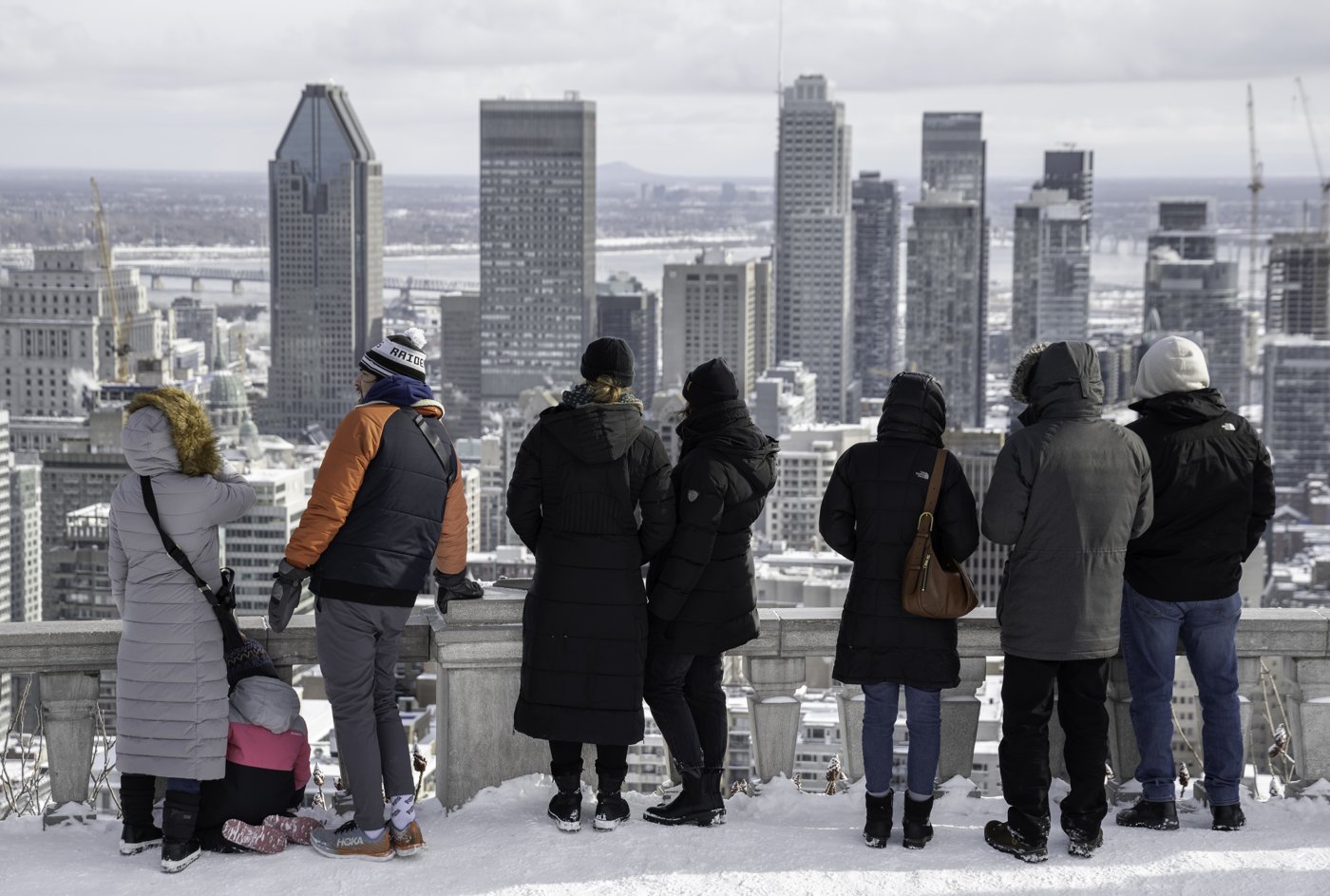
The RÉSO, better known as the Underground City, is the thing that makes winter here workable. It's roughly 32 km of connected corridors linking ten Metro stations, shops, offices, hotels, universities, the Bell Centre and Place des Arts, and it's largely climate-controlled. It's also a bit of a misnomer: the article itself calls it more of an indoor city than a truly subterranean one, with many key passages at ground level. As a pragmatist, I don't care what it's called. It means you can cross a chunk of downtown in a thin jacket while the wind does its worst outside.
Most of it is open while the Metro runs, roughly 5:30 am to 1 am, though some sections close outside business hours.
What to Actually Do
Walk Old Montreal. Old Montreal, with its 17th- and 18th-century buildings and narrow streets, is arguably at its most atmospheric under snow. Be honest about the cobblestones though, which are slippery.
See Notre-Dame. The Notre-Dame Basilica on Place d'Armes dates from 1829, with its elaborate interior finished in the 1870s, and it's a fine place to thaw out while looking at something magnificent.
Go to Igloofest. If you're here in January, Igloofest, the outdoor electronic music festival at the Old Port running since 2007, is one of the great cold-weather events. Yes, you'll be dancing outdoors. That's the point. Check the current dates and programme before booking.
Climb Mount Royal. Staircases and a gentler road lead up to the Chalet and its classic view of the downtown core. Do this on a clear day and wear boots with some grip.
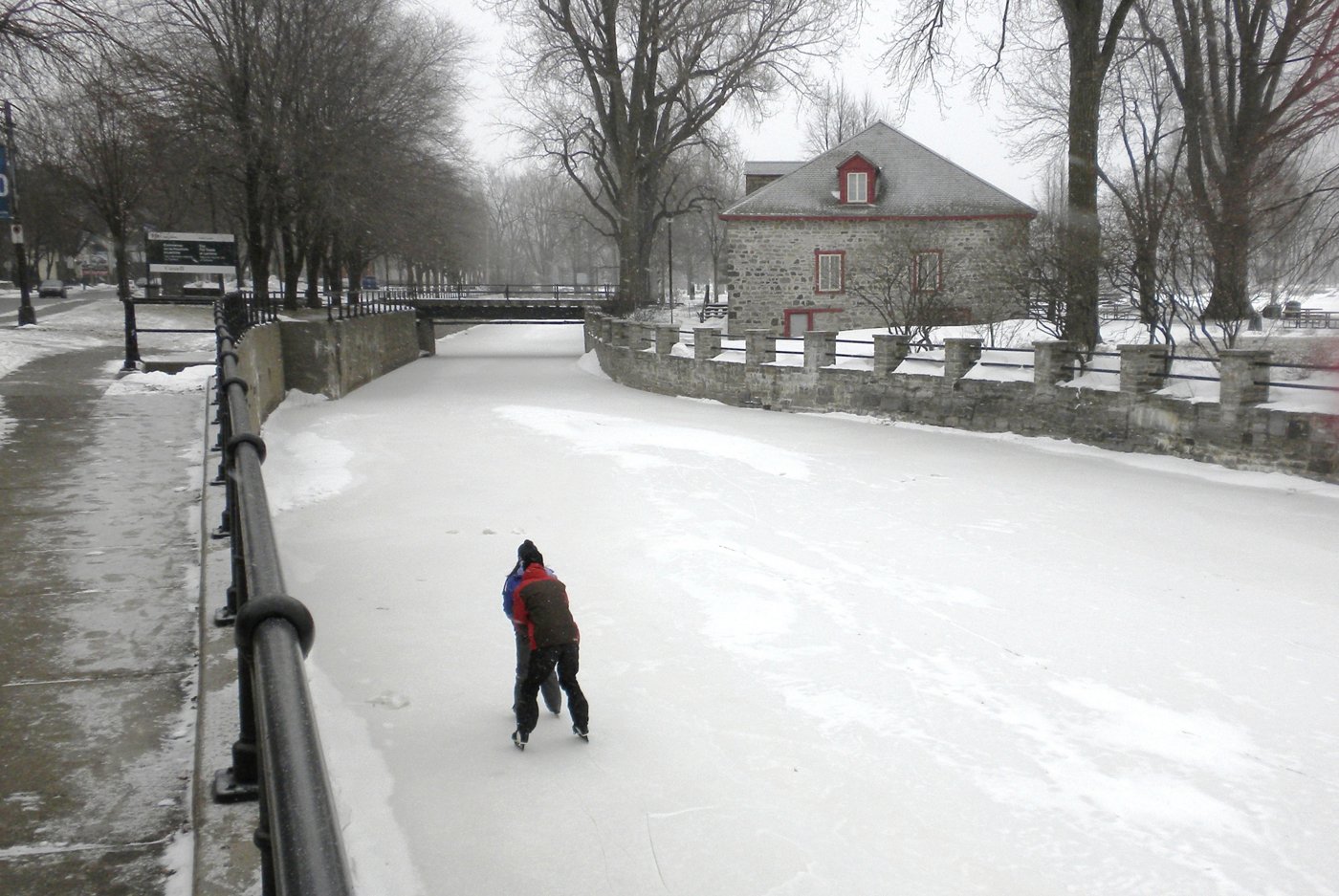
Skate, or watch others skate. The frozen Bonsecours Basin in Old Montreal turns into an outdoor rink, and conditions depend on the cold, so check what's open.
Go to a Nordic spa. A hot-cold spa on a cold day is probably the most Montreal way to recover.
Eat. Bagels are the Mile End speciality, and winter is a very good time to be in a warm bakery with a hot bagel. Beyond that, Montreal is a food city; the season only makes it feel more earned.
Time it around a festival. Beyond Igloofest, Montréal en Lumière combines performing arts, food and light installations, and the Fête des Neiges at Parc Jean-Drapeau offers tubing and skating for families. Dates shift annually.
The Honest Downsides
It gets properly, dangerously cold. This isn't a cute cold. Limit your outdoor time, cover your extremities and take warnings seriously.
Ice is the real hazard. Wikivoyage warns that sidewalks can be icy and hazardous, and that's the most likely way a Montreal winter will ruin your trip. Grippy boots, or ice cleats, pay for themselves.
Short days. Plan your outdoor sights in the middle of the day.
Storms happen. The UK Foreign Office notes that winter storms are common across Canada, particularly from November to April, and they can make driving dangerous. If you've got an onward flight or road trip, build in margin.
One compensation: at least one source suggests Old Montreal hotel rates are often lower in winter than in summer. Prices move around, so compare before assuming.
Getting There and Around
The 747 bus connects Trudeau airport with downtown; you need at least a one-day fare to ride it, and it uses a dedicated lane to skip traffic. The Metro is the best way to get around, and announcements are in French only, though ticket machines are bilingual. In my opinion it's worth learning a few basic phrases anyway, because this is one of the world's great French-speaking cities and it's more fun that way.
Entry. Visitors from many countries need an eTA to fly to Canada; the official site lists the fee as C$7. Apply only through the government's own page. US citizens don't need an eTA or visa, and others must check whether they need a visa instead.
What to Pack
A warm, windproof coat, thermal layers, insulated waterproof boots with real grip, a hat that covers your ears, a scarf or neck gaiter, and gloves with a liner. If you only buy one thing for this trip, buy good boots.
Frequently Asked Questions
Is Montreal worth visiting in winter? Yes, if you pack properly and enjoy cold-weather activities. Festivals, the indoor city, skating and the food all make it a strong winter break.
How cold does Montreal get in winter? Daytime temperatures are often between -5 and -15°C, with January nights frequently below -20°C, and around two metres of snow a season.
What is the Underground City in Montreal? RÉSO is roughly 32 km of connected indoor walkways linking Metro stations, shops, offices and hotels, so you can move around downtown without going outside.
When is Igloofest? It's held in January at the Old Port. Check the current year's dates.
How many days do you need in Montreal in winter? Three days is a good first visit, enough for Old Montreal, Notre-Dame, Mount Royal, a festival night and a spa.
Final Thoughts
Winter Montreal isn't for everyone, and it has no interest in pretending otherwise. But if you're the kind of traveller who would rather see a city doing the thing it's best at, this is it. Pack the boots, plan around the daylight, and go find out why the locals don't just stay in.