

14 August 2026
Let me start with the bit that matters most to someone like me, who'd rather cross a border by road than fly over it. Baku is a fascinating city, and it is, for now, almost impossible to reach overland. So is it worth visiting? Yes, for about three days, as a fly-in, fly-out trip. It's a stranger, grander and more interesting place than most Caucasus itineraries give it credit for. Just don't plan on rolling in by train from Tbilisi the way your map suggests you might.
The Big Catch: Getting In
The FCDO's entry guidance says entry by land or sea is restricted, the Georgian border is temporarily closed, the Iran border is closed apart from special authorisation, and air travel is the unrestricted option. Wikivoyage is even blunter: "the only legal way into the country is through an international airport". The Azerbaijan-Armenia border is closed too.
That quietly ruins the classic Tbilisi-Baku overland route. If you're planning a Caucasus loop, you'll need flights, and check the current situation before you assume anything has reopened. Pair it instead with a week in Tbilisi or a stint in Yerevan, and accept the airport in between.
Other rules to get right:
E-visa. Apply through the official ASAN Visa service. UK guidance says to apply at least three days ahead, that the normal e-visa allows a single 30-day visit within a 90-day validity period, and that you should print it. Check eligibility for your passport.
Registration. Staying longer than 15 days means registering with the State Migration Service. Hotels often handle it; if you're in an apartment, it's on you.
Where you shouldn't go. The FCDO advises against all travel within 5 km of the Armenia border, and against all but essential travel to a list of south-western districts affected by the 2020 and 2023 conflicts, because of unexploded ordnance and related risks. Baku is not on those lists, but it's worth knowing before you get ambitious with a hire car.
Why Baku Is Worth It
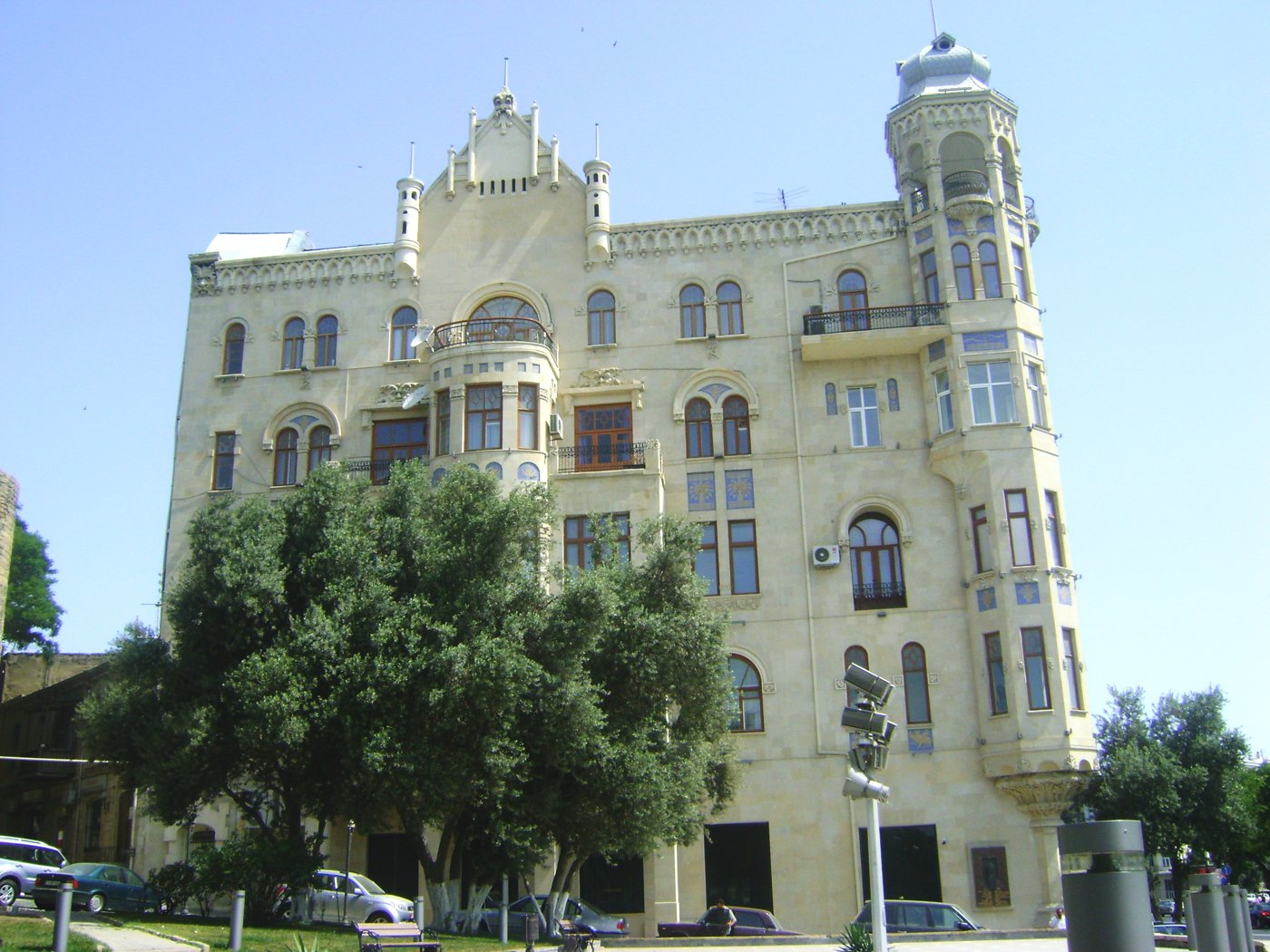
Baku grew rich on oil, and that's the key to understanding it. Commercial exploitation began in 1872, and by the early twentieth century the city produced about half the oil sold on world markets. The grand mansions from that era, the medieval old town and the futuristic towers all sit within walking distance of each other, and the contrast is the entire point.
The Walled Old City
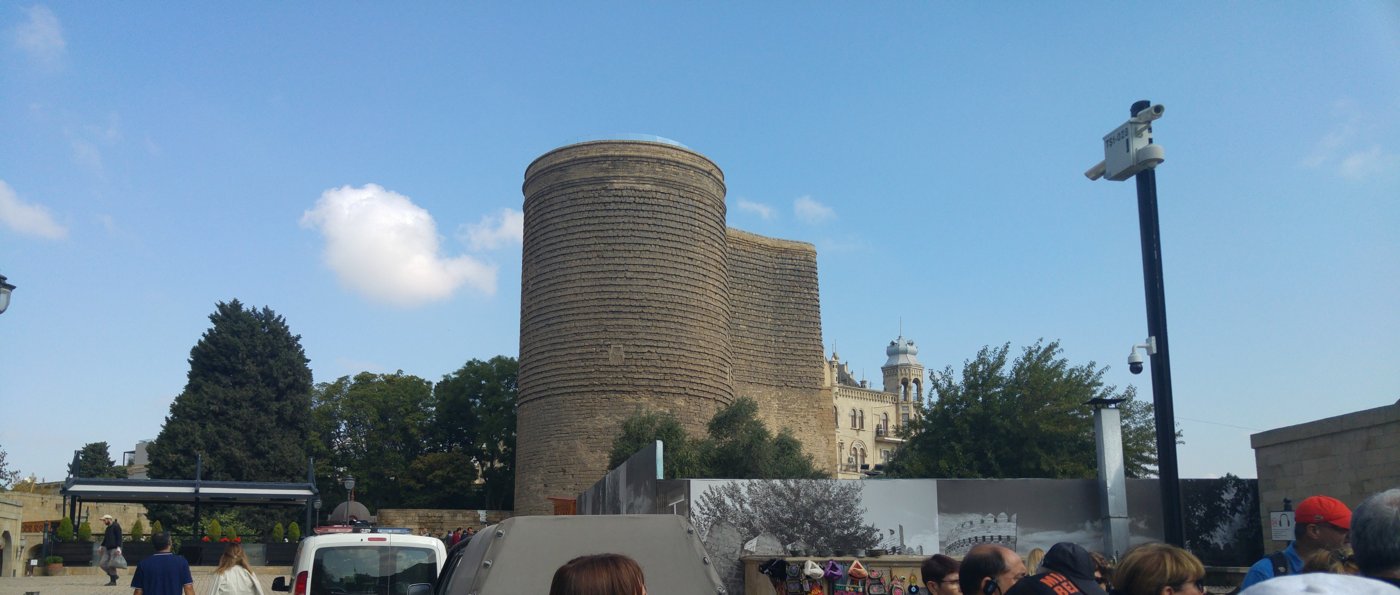
Icherisheher, the UNESCO-listed Walled City, has held that status since 2000. The Palace of the Shirvanshahs and the Maiden Tower are the headline sights, alongside old caravanserais and bathhouses. A word of honest calibration: it's compact, and if you've spent time in the great old cities of Central Asia or North Africa, you may find it modest by comparison. Give it a morning and judge for yourself.
Oil-Boom Boulevards and the Flame Towers
The grander story is outside the walls. Walk the Boulevard along the Caspian and the nineteenth-century streets behind it, and look up. The Flame Towers dominate the skyline, reached by funicular if you want the viewpoint. Then see Zaha Hadid's Heydar Aliyev Centre, which opened in 2007 and is worth the taxi ride for its curves alone.
Fire, Mud and Rock Art Beyond the City
The best reason to stay a third day lies outside town:
Gobustan. The Rock Art Cultural Landscape has over 6,000 carvings, was inscribed by UNESCO in 2007, and lies about 70 km southwest of Baku.
Mud volcanoes. Roughly 300 of the world's 700 are in the Gobustan and Caspian region, which makes for an unusual afternoon.
Yanar Dag and the Ateshgah Fire Temple. The first is a hillside fire, the second a temple tied to it. Neither takes long, and they suit a half-day trip.
The Honest Downsides
It's wind-blown. Baku's nickname is the "City of Winds", and the cold northern khazri can be fierce. Pack a jacket even if your weather app is optimistic.
Crossing roads takes nerve. Wikivoyage warns that pedestrian crossings can be unsafe, especially at night.
Taxis need negotiating. There are no meters, and airport taxis can be overpriced. Use an app as a reference, and agree the fare first.
Mind your camera in the metro. Wikivoyage reports that photography inside metro stations is prohibited, with arrests reported. Don't test it.
Getting Around
Baku is easier than it looks. Airport buses run to the centre from Heydar Aliyev International, about 25 km out, and the metro is cheap once you have a card with a refundable deposit. The funicular serves the Flame Towers viewpoint. Bolt gives you a sensible price reference for taxis. Prices shift, so treat any figures you read, including here, as a guide only.
How Many Days in Baku?
Three days is the natural shape, with one for the Old City and Boulevard, one for the modern city and Heydar Aliyev Centre, and one for Gobustan and the fire sites. Leave Your Daily Hell recommends no fewer than two days, and I wouldn't go below that.
Frequently Asked Questions
Is Baku worth visiting? Yes, for about three days. It offers a walled old city, oil-boom architecture and unusual sights like Gobustan's rock art and mud volcanoes.
Can you travel overland to Baku from Georgia? As of November 2026, UK guidance says the Georgia border is temporarily closed and entry by land is restricted. Plan on flying, and check the latest position.
Do you need a visa for Azerbaijan? Many visitors use the ASAN e-visa system. Apply through the official service and check the rules for your own passport.
What is Baku best known for? The Flame Towers, the UNESCO-listed Walled City, the Heydar Aliyev Centre and its oil-boom history.
How many days do you need in Baku? Three days is ideal, two is the minimum for the city itself.
Final Thoughts
Baku is a city built on oil money, ancient stone and a good deal of ambition, and it's better for all three. The closed land borders are a real frustration for anyone who likes to travel the slow way, but the place itself is worth the flight. Come for three days, keep an eye on the wind, and don't photograph the metro.