

22 October 2026
Bethlehem is close enough to Jerusalem that it looks like a short hop on the map. In practice, it's in the West Bank, which means you pass an Israeli military checkpoint, carry particular documents, and read a separate set of travel advice. I was in this part of the world recently, and my advice is the same as for the rest of the area: treat the logistics as the main event. They're not hard, but they do need checking on the day.
Here's how it works, with sources. Conditions can change quickly, so please re-check before you travel.
What the Advisories Say
The UK Foreign Office advice advises against all travel to Gaza and to the Tulkarm, Jenin and Tubas Governorates, and against all but essential travel to most of the rest of the West Bank. Bethlehem Governorate is excluded from that all-but-essential advice, along with East Jerusalem, Ramallah Municipality and Jericho.
Its regional risks page says Bethlehem, Ramallah and Jericho receive many tourists, including on organised tours, that tourist numbers have fallen since 7 October 2023, and that there are "no recent reports of any serious incidents involving foreigners". It still asks you to take care anywhere in the West Bank and to leave if you see signs of a disturbance.
The US State Department's West Bank advisory lists Level 3: Reconsider Travel, and an embassy notice says US government employees are restricted from personal travel to the West Bank apart from specific routes and limited access to Jericho and Bethlehem.
Check your own government's page, and check that your insurance covers the West Bank specifically, not just Israel.
The Crossing Itself
The FCDO is direct about this: you cannot travel into or out of the West Bank without passing through at least one Israeli military checkpoint, and you need your passport and Israeli immigration slip to do it.
The main pedestrian crossing into Bethlehem from Jerusalem is Checkpoint 300, also known as Rachel's Crossing. Expect to show your passport, put bags through an X-ray and walk through a metal detector. Foreign tourists can generally enter and exit as often as they like, and the return is where passport checks tend to happen.
A few things catch people out:
Keep your Israeli entry card. It's evidence of legal entry, and you may need it when crossing. Don't throw it out with your boarding pass.
Check any form you sign at the airport. The FCDO reports some travellers at Ben Gurion being asked to sign a form saying they won't enter Palestinian Authority-controlled areas without authorisation, with deportation and a re-entry ban of up to 10 years as potential consequences. Read what you're given and take your own advice if it applies to you.
Closures happen. Checkpoints may close on Jewish high holidays, Israeli public holidays and at times of instability, sometimes at short notice. Don't plan on making a flight the same evening.
Israeli citizens and Palestinian ID holders face different rules. According to Wikivoyage, Israeli citizens need approval from the Israeli Civil Administration to enter. People with Palestinian ID numbers or family connections should read the FCDO's entry section carefully and seek their own advice.
Getting There: The Options
Organised tour or licensed guide. The FCDO's advice notes visitors on organised tours, and it also advises against using buses and taxis in the West Bank, citing the accident record for taxis. If you want to follow that advice to the letter, an organised tour that handles the transfer is the obvious answer, and it's what I'd recommend to most first-timers.
Public bus. Plenty of independent travellers do take the bus. Palestinian buses run from the station near Damascus Gate, but the route numbers are genuinely inconsistent across sources, which is your first warning to ask at the station. Wikivoyage lists bus 231 via Beit Jala and bus 234 to Checkpoint 300, while the Enjoy Bethlehem site lists bus 321 via Beit Jala, stopping about 1 km from Manger Square, and 324 to the checkpoint. The routes reaching the checkpoint leave you to walk through it and then walk about 30 minutes or take a taxi to the centre. Buses have run roughly every half hour during the day, with earlier finishes in winter, so don't count on a late return.
Taxi. Taxis go as far as the entrance, and transfers on the Palestinian side are arranged separately. Agree a price in advance. Bear in mind the FCDO's warning above.
Driving. Some rental companies don't insure vehicles taken into the West Bank. Hiring from East Jerusalem may be simpler, but read your contract, and carry the documents the FCDO lists. I wouldn't drive this one unless you have a good reason.
What to See in Bethlehem
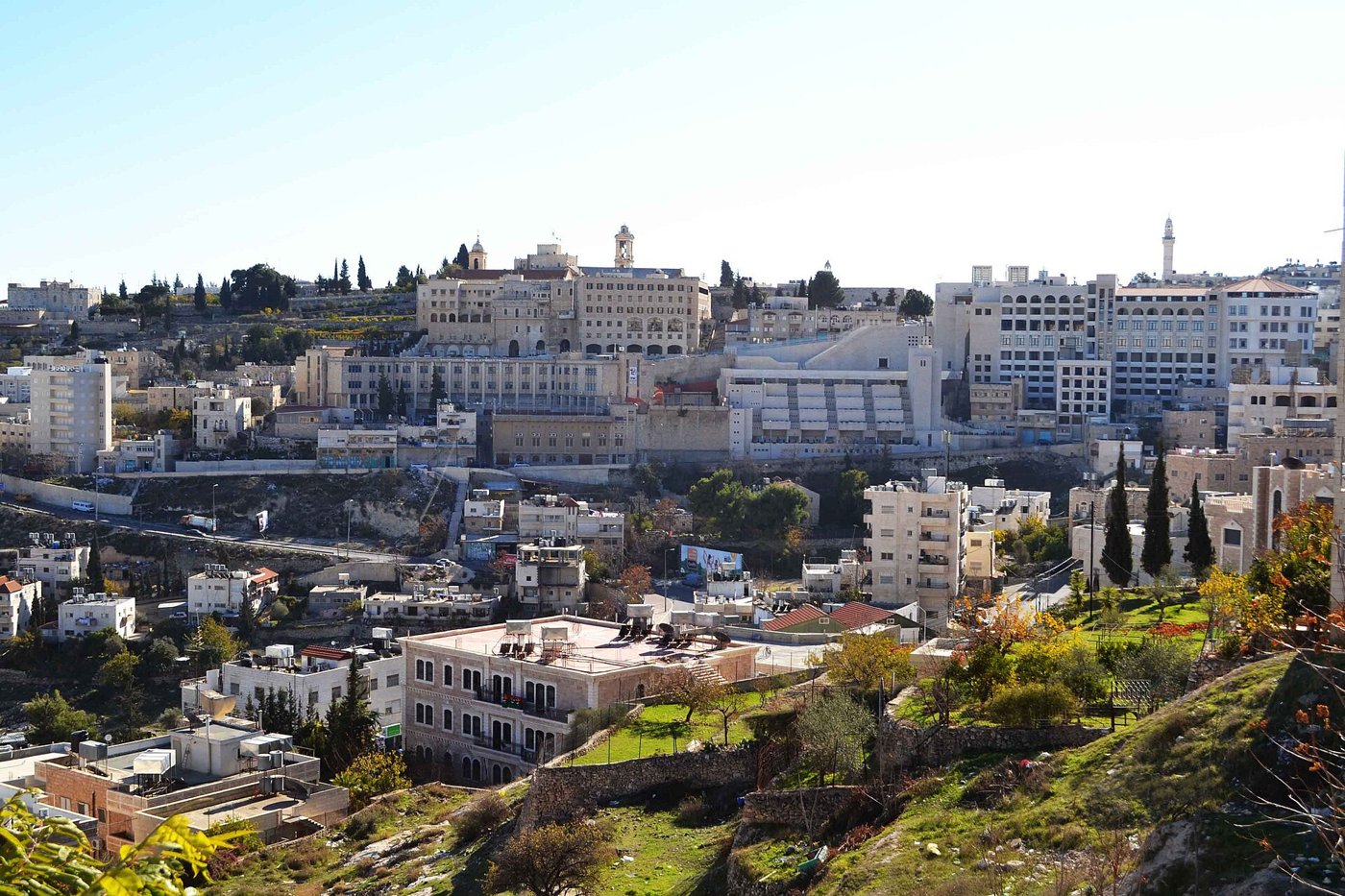
The Church of the Nativity. The reason most people come. It's on the UNESCO World Heritage list, added in 2012 and on the In Danger list until 2019 while water damage was addressed. The main entrance is the famously low Door of Humility, so you'll be bending to get in. Under the altar, the Grotto of the Nativity marks the traditional birthplace of Jesus with a 14-pointed silver star. Three churches share the site under the long-standing Status Quo arrangement, so don't be surprised by the patchwork of chapels and rules. It is free to enter, but expect long waits for the Grotto in high season, and agree any price with unofficial guides in advance.
Manger Square and the Mosque of Omar. The town's focal point, with the church on one side and the mosque on another. It's a good place to get your bearings.
The Milk Grotto. A small chapel nearby, and an easy addition once you've finished at the main church.
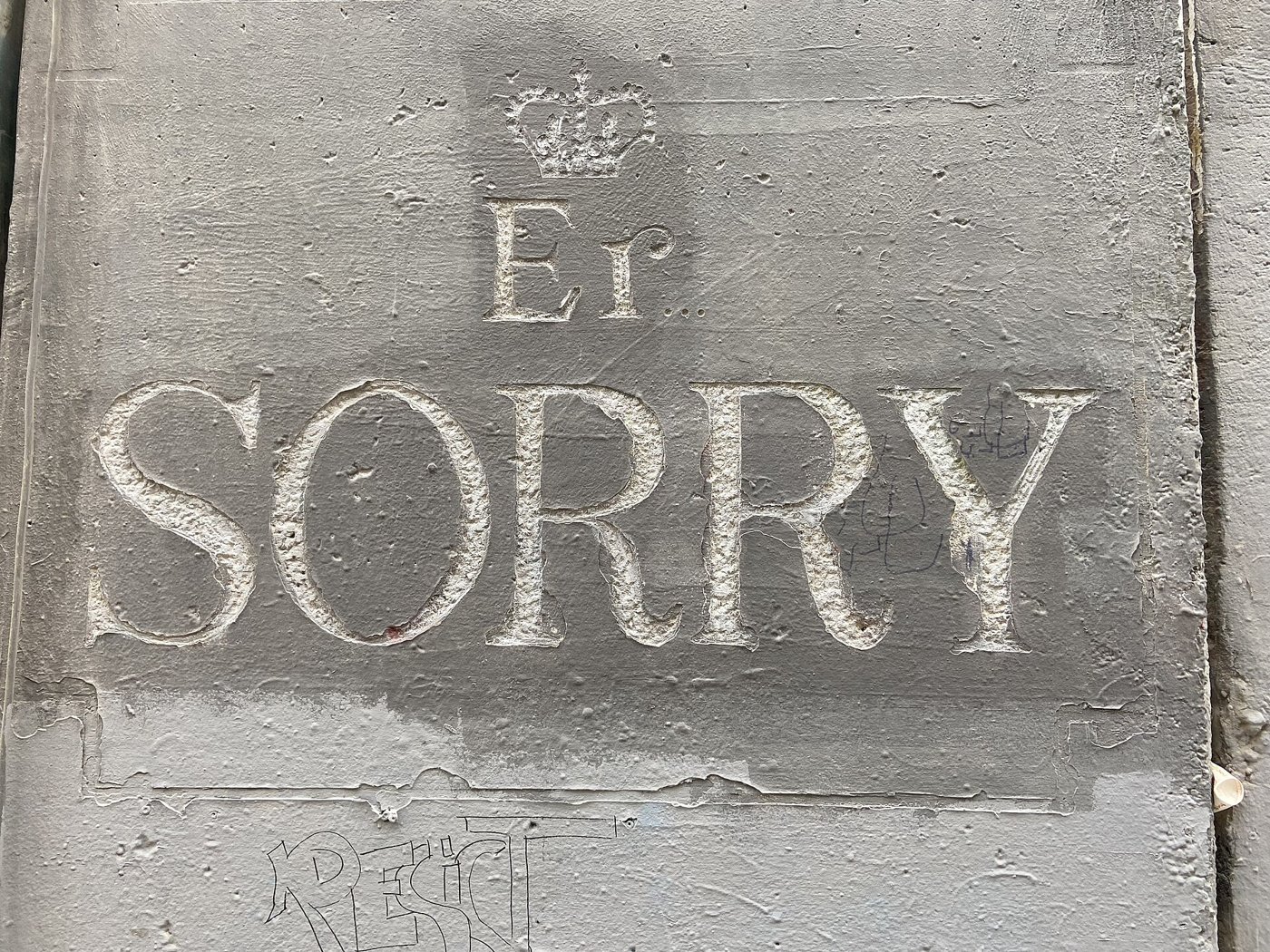
The separation barrier. The barrier wall along the edge of Bethlehem is covered in artwork, including pieces by Banksy, and the Walled Off Hotel, founded by the artist in 2017, faces it. Whatever your view of the politics, it's a striking sight and an essential part of understanding the town. Check whether the hotel and gallery are currently open before you make a special trip.
Practical Tips
Cover your shoulders, upper arms and legs above the knee, and at religious sites err on the side of more.
Carry identification at all times, as the FCDO asks.
Be extremely cautious visiting refugee camps, as the FCDO notes, and don't wander into anything that looks like a demonstration.
Go early. Crowds and heat both build, and an early start gives you room if the crossing is slow.
Frequently Asked Questions
Can tourists visit Bethlehem from Jerusalem? Yes. Foreign tourists can generally cross through Checkpoint 300 with a passport and Israeli immigration slip, but conditions can change at short notice. Check current advice on the day.
Do you need a passport to go to Bethlehem? Yes. Carry your passport and Israeli entry slip.
Which bus goes from Jerusalem to Bethlehem? Sources differ on the numbers (231, 234, 321 and 324 have all been cited), so confirm at the bus station near Damascus Gate. The FCDO advises against using buses in the West Bank.
Is Bethlehem safe to visit? The FCDO excludes Bethlehem Governorate from its all-but-essential travel warning and reports no recent serious incidents involving foreigners, while asking people to take care. The US lists the West Bank at Level 3. Read the current official guidance before going.
How long do you need in Bethlehem? A long half-day or one full day covers the Church of the Nativity, Manger Square, the Milk Grotto and the barrier artwork.
Final Thoughts
Bethlehem is one of those places where a little preparation makes the visit far simpler. Carry the right documents, go early, check the checkpoint and advisory status that morning, and give it a full day rather than squeezing it in. A guided trip is the straightforward choice. It's an easy day to combine with a few days in Jerusalem, just don't plan a tight connection afterwards.