

04 August 2026
We've already covered whether a Doha layover is long enough to leave the airport, and as a private pilot I'll always have time for a well-run hub. This is the next question: is Doha worth visiting on purpose, for two or three days, rather than a few hours between flights? My verdict is a qualified yes. Come for the museums and the desert. Don't come for nightlife, spontaneity or bargain prices. And right now, before anything else, read the regional advice.
What the Advisories Say
The UK Foreign Office advice for Qatar says the Middle East context "remains deeply unpredictable" and the risk of sudden escalation is high. It reports strikes and retaliatory attacks across the region since conflict began in early 2026, and warns that airports and airspace could close at short notice.
It tells travellers to keep departure plans under review, follow local authorities, avoid areas around security or military facilities, and know what to do if told to shelter.
The FCDO's safety page rates the threat of terrorism as high and says attacks "cannot be ruled out".
Doha's entire appeal as a stop depends on flights running, so build in slack, check your insurance covers the trip, and re-read the current advice before you travel.
Why Doha Works as a Short Break
Doha is a modern, purpose-built capital with a handful of world-class cultural institutions, and most of what you'll want to see sits within reach of the metro. It's more interesting than its reputation as a transit lounge suggests, and less interesting than its marketing. Two to three days hits the sweet spot.
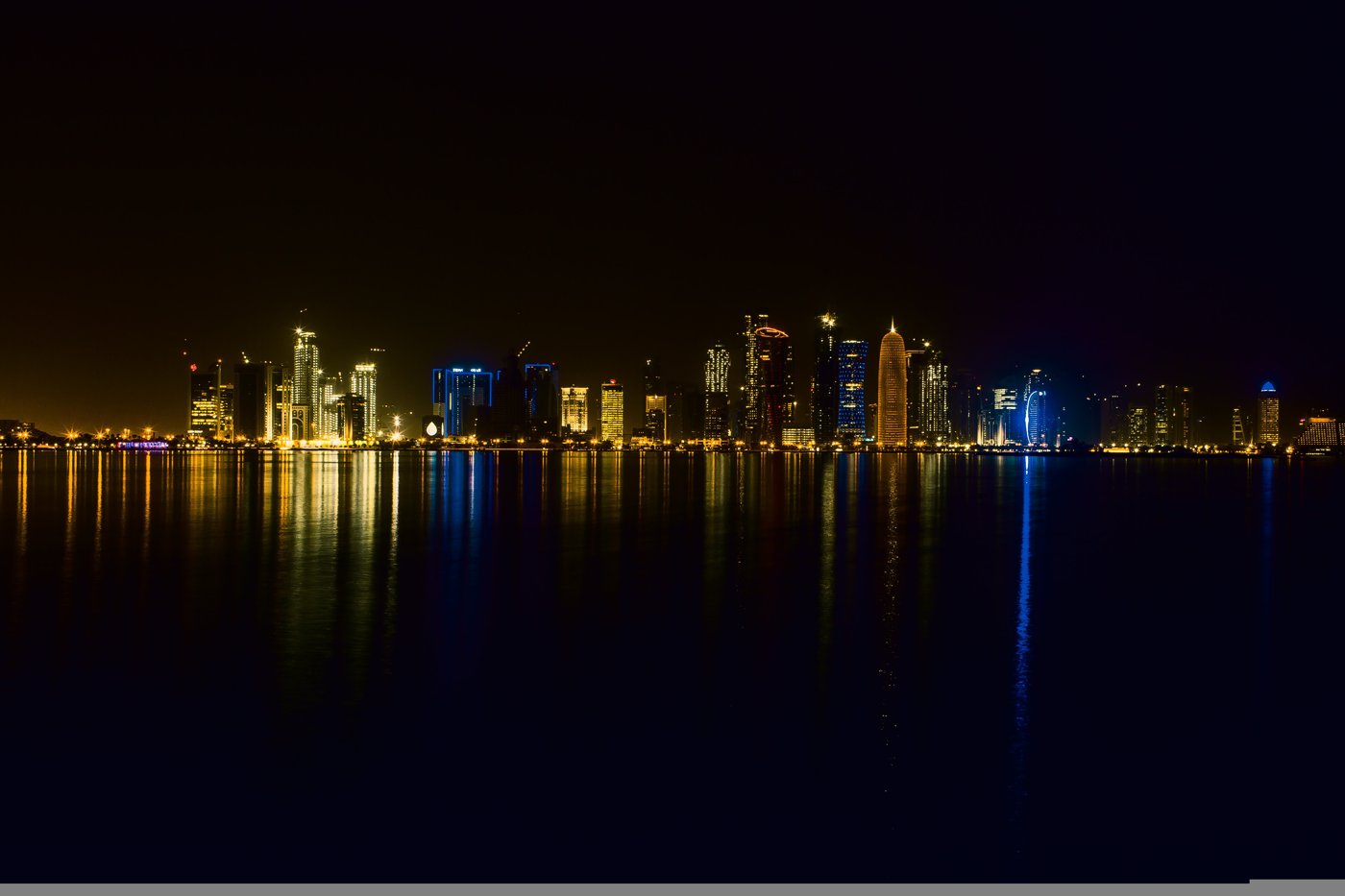
The Museum of Islamic Art
This is the reason to come. Designed by I. M. Pei and opened in 2008, it sits on an artificial peninsula just off the Corniche and covers more than 1,400 years of Islamic art. You don't need to be an art historian. The building alone justifies the detour.
The National Museum of Qatar
The National Museum, opened in 2019, wraps an early 20th-century palace in Jean Nouvel's extension. Between this and the Museum of Islamic Art you have a full cultural day. Wikivoyage lists a combined multi-museum ticket; check current prices on arrival.
Msheireb and the Quieter Downtown
The Msheireb Museums are four historic houses covering Qatari family life, the oil industry and, unusually for the region, slavery. They're closed on Sundays. I'd rank these above a lot of the more heavily promoted attractions, precisely because they tackle something uncomfortable.
Souq Waqif, With Eyes Open
Souq Waqif is the rebuilt traditional market everybody takes you to, with spices, textiles, falcon shops and shisha cafés. Wikivoyage's fair assessment is that it "can feel somewhat artificial", and that it closes for lunch. I'd go in the evening, enjoy it for what it is, and not pretend it's ancient.
Beyond the City: The Inland Sea
If you have a third day, this is the one to spend. Khor Al Adaid, known as the Inland Sea, is an inlet about 78 km south of Doha on the Saudi border, on UNESCO's Tentative List. Take this seriously as a trip: the FCDO says desert excursions are hazardous without a properly equipped 4x4, and advises travelling in convoy, carrying water and a phone, and leaving your plans with someone. Book a reputable operator unless you really know what you're doing on sand.
The Honest Downsides
It's a rules-based city. The FCDO says men and women should cover shoulders and knees in public, with the dress code strictly enforced in government buildings, healthcare facilities and banks. Public intimacy can lead to arrest, swearing and rude gestures are treated as offences, and vaping is illegal.
Alcohol is limited. It's sold only through licensed hotels, restaurants and bars, and drinking in public is illegal. If you're after a Dubai-style night out, this isn't it.
Photography needs care. Photographing or filming people without consent can bring imprisonment or a large fine. Ask first.
Ramadan changes the day. Avoid eating, drinking or smoking in public during daylight, and expect a different pace.
Summer heat is extreme. 22Places puts the pleasant months at November through April and warns of extreme summer temperatures, and I wouldn't plan a desert day outside that window.
Getting Around
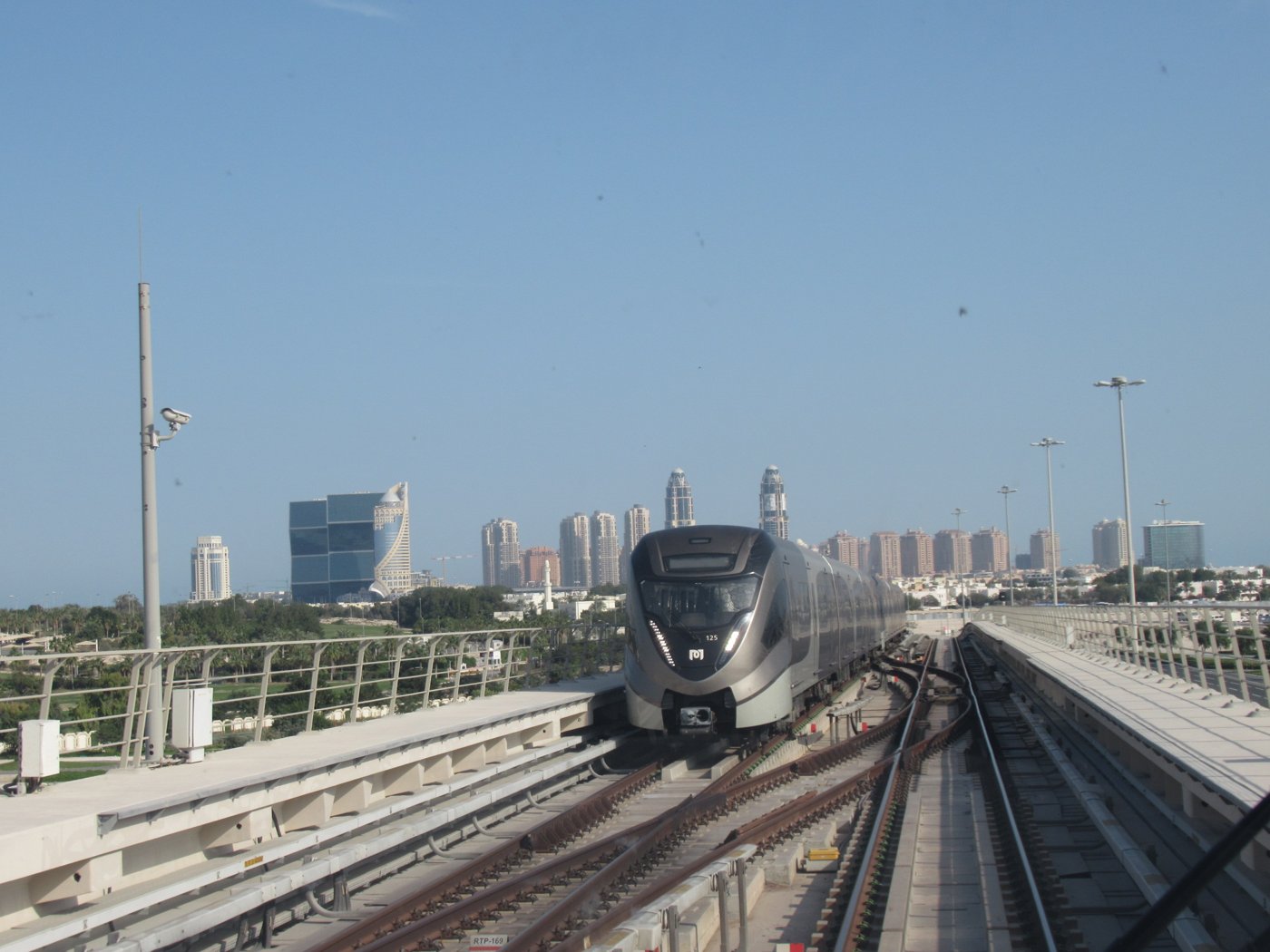
The Doha Metro opened in 2019 with Red, Gold and Green lines, meeting at Msheireb, and it's the easiest way to reach most of the city. Fares are low and there's a daily cap, though these details can change. Taxis or ride-hailing cover the gaps. Keep your transit expectations realistic for anything outside the core, where you'll need a car or a tour.
Entry Requirements
Rules depend on nationality. For UK citizens, the FCDO says you can get a tourist visa on arrival with a full British citizen passport, and passports should be valid for at least six months from arrival. Stays beyond 30 days need an extension and health insurance from a registered provider. Check the Ministry of Interior for your own passport, and don't rely on old blog posts.
How Many Days in Doha?
A few hours: see our layover guide.
Two days: the two main museums, Msheireb, the Corniche and Souq Waqif. This is what most people need, and it's what 22Places recommends too.
Three days: add the Inland Sea or Katara Cultural Village, which is built to resemble a traditional village.
Four or more: only if you have specific plans.
Frequently Asked Questions
Is Doha worth visiting? For two or three days, yes, if you value museums and the desert. It's less rewarding if you're after nightlife or an easy-going beach holiday.
How many days do you need in Doha? Two days covers the main sights; three lets you add the Inland Sea.
Is Doha safe to visit in 2026? The UK says the regional situation is unpredictable and rates the terrorism threat as high, and warns of possible airspace closures. Read current official advice before you go.
What should you wear in Doha? Cover shoulders and knees in public. Modesty rules are strictly enforced in some buildings.
Can you drink alcohol in Doha? Only in licensed venues such as hotel bars, and public drunkenness is illegal.
Final Thoughts
Doha is better than its layover reputation, but it isn't trying to be everything. Give it two or three days for the Museum of Islamic Art and the desert, respect the rules, and keep an eye on the regional picture before committing. On those terms it's a worthwhile stop, and considerably more than a place to change planes.