

15 October 2024
For all the attention lavished on Prague, Vienna, and Budapest, one European capital keeps getting overlooked. Sofia, the Bulgarian capital, is one of the oldest cities on the continent, remarkably affordable, and backed by a ski mountain, yet it rarely makes anyone’s shortlist. That, more than anything, may be its biggest selling point, and as a traveller who’s grown a little suspicious of anywhere too polished and popular, an overlooked capital is exactly where I want to be.
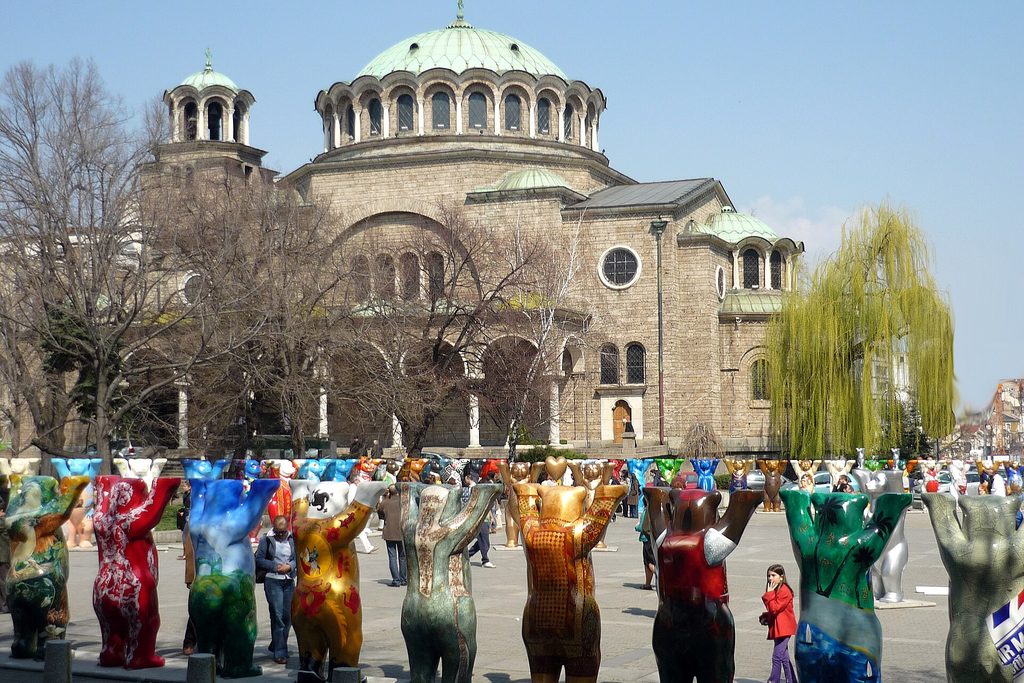
This guide makes the case for Sofia, from its layered history to its value and the mountain on its doorstep.
Layers of History in a Small Centre
Sofia’s compact centre lets you walk through two thousand years in an afternoon. Roman ruins sit beneath the streets, Ottoman mosques stand near Orthodox cathedrals, and Soviet-era monuments loom nearby. The showpiece is the gold-domed Alexander Nevsky Cathedral, built to mark Bulgaria’s liberation from Ottoman rule, but the tiny Sveta Nedelya and the ancient Sveta Sofia churches that gave the city its name are just as evocative.
Roman Serdica Underfoot
Long before it was Sofia, the city was the Roman town of Serdica, and its ruins have been beautifully integrated into the modern city, right down at metro and street level around Serdika station. There are few places in Europe where you can wander among genuine Roman streets and buildings in the dead centre of a capital, and here it is free, which the history buff and the pragmatist in me both appreciated enormously.
One of Europe’s Best-Value Capitals
Sofia is gentle on the wallet. Bulgarian food is hearty and cheap, from shopska salad to grilled meats and flaky banitsa pastry, and a good meal with a glass of local wine costs a fraction of Western European prices. It is one of the rare capitals where a memorable trip does not drain the bank account.
A Mountain on the Doorstep
Few capitals can offer skiing and hiking within reach of downtown, but Mount Vitosha rises right behind the city, reachable by public transport. In summer it offers hiking to Boyana Waterfall and Cherni Vrah, its highest peak, and in winter it becomes a local ski area, all within sight of the centre. The mountain gives Sofia an outdoorsy edge most European capitals simply cannot match.
Frequently Asked Questions
Is Sofia worth visiting? Yes. It is affordable, walkable, and layered with Roman, Ottoman, and Orthodox history, backed by Mount Vitosha, making it one of the most underrated and best-value city breaks in Europe.
What is Sofia known for? The gold-domed Alexander Nevsky Cathedral, the Roman ruins of Serdica beneath the city, its low prices, and Mount Vitosha on its doorstep for hiking and skiing.
How many days do you need in Sofia? Two days comfortably covers the historic centre and the Roman ruins, with a third for a trip up Mount Vitosha or to the nearby Boyana Church and Rila Monastery.
Final Thoughts
Sofia will not dazzle you at first glance, and that is exactly why it stays underrated. Give it a couple of days and its history, value, and easy charm make a strong case for Europe’s most overlooked capital. It fits neatly into a wider Balkan trip alongside Belgrade and the great city on the Bosphorus, Istanbul, or a longer Balkan road trip.