

10 October 2023
Among young travellers, Belgrade has a reputation that arrives before you do: Serbia’s capital is one of Europe’s great party cities. Much of that fame floats, quite literally, on the rivers that wrap around the old town. So where does the wild-nightlife legend come from, and does the city live up to it? I’ll say upfront that I’m more of a cocktail-and-good-conversation man than a lose-myself-in-a-club one, and Belgrade still won me over. The short answer: yes, and the best of it is the easygoing spirit as much as any single club.
This guide covers the famous floating clubs, the bohemian quarter, and why Belgrade’s nightlife feels so different.
The Splavovi
Belgrade’s signature nightlife happens on the splavovi, large floating platforms moored along the Sava and Danube that turn into bars, restaurants, and clubs. Strung out from the Brankov Bridge to where the two rivers meet, they run all summer, roughly May to September, offering cool river breezes, DJs, and views of the water. Nowhere else in Europe has quite the same floating, open-air party scene, and it is central to the city’s nightlife identity.
More Than the Barges
Belgrade’s after-dark life is not just the river. Beyond the splavovi you’ll find:
- Skadarlija, the cobbled bohemian quarter of kafanas (traditional taverns) serving live Balkan folk music, hearty food, and rakija.
- Kalemegdan, the great fortress whose terraces host summer bars with the best sunset views in the city.
- Underground techno in old warehouses (not my scene, I’ll admit) and slick cocktail bars, the New York Times even named Belgrade Europe’s best cocktail city, which is far more my speed.
The nightlife is famously varied, cheap, and unpretentious.
Why It Feels Different
Part of the appeal is the attitude. Belgrade goes out late, stays out later, and welcomes visitors without the velvet-rope snobbery of some capitals. The energy feels spontaneous rather than staged, and the mix, floating clubs, folk taverns, techno bunkers, and river-view lounges, means there is something for every mood. Add low prices and genuine warmth, and it is easy to see why the city has become a nightlife pilgrimage.
Beyond the Nightlife
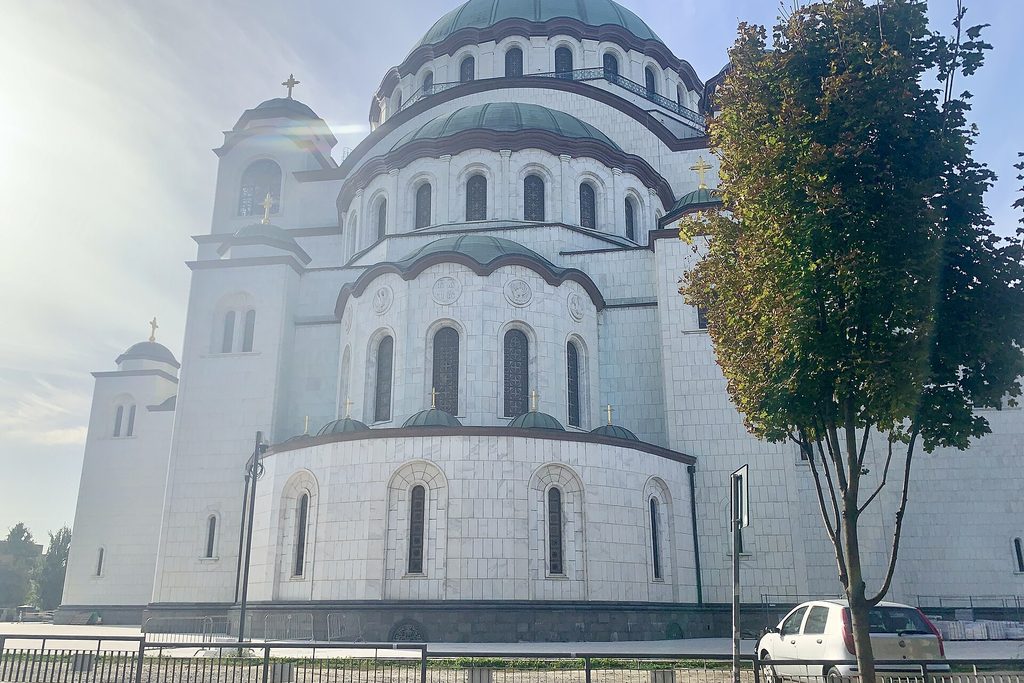
There is more to Belgrade than the small hours. The Kalemegdan fortress and its park, the pedestrian Knez Mihailova street, and the vast Temple of Saint Sava, one of the largest Orthodox churches in the world, are all worth daylight hours before the evening begins.
Frequently Asked Questions
Why is Belgrade famous for nightlife? For its unique floating river clubs (splavovi), its variety, from techno warehouses to folk-music kafanas and cocktail bars, its late hours, low prices, and welcoming, unpretentious atmosphere.
What are the splavovi in Belgrade? Splavovi are floating platforms moored on the Sava and Danube rivers that operate as bars and nightclubs through the summer, Belgrade’s most distinctive nightlife experience.
Is Belgrade nightlife safe and affordable? Generally yes. It is friendly and inexpensive by Western European standards, with normal big-city caution advised late at night.
Final Thoughts
Belgrade earns its party reputation, but the best of it is the spirit rather than any single venue. Come for a barge on the river and stay for a city that simply loves a good night out. It pairs well with the layered history of Sarajevo next door as part of a wider Balkan road trip.