

19 May 2026
Srebrenica is not a destination in the usual sense. This small town in eastern Bosnia is the site of the 1995 genocide, in which at least 8,372 Bosniak men and boys were killed, and the memorial at Potočari is a place of grief rather than a sight to tick off. For thoughtful travellers, the question is whether to include it at all, and if so, how to do so with the respect it demands.
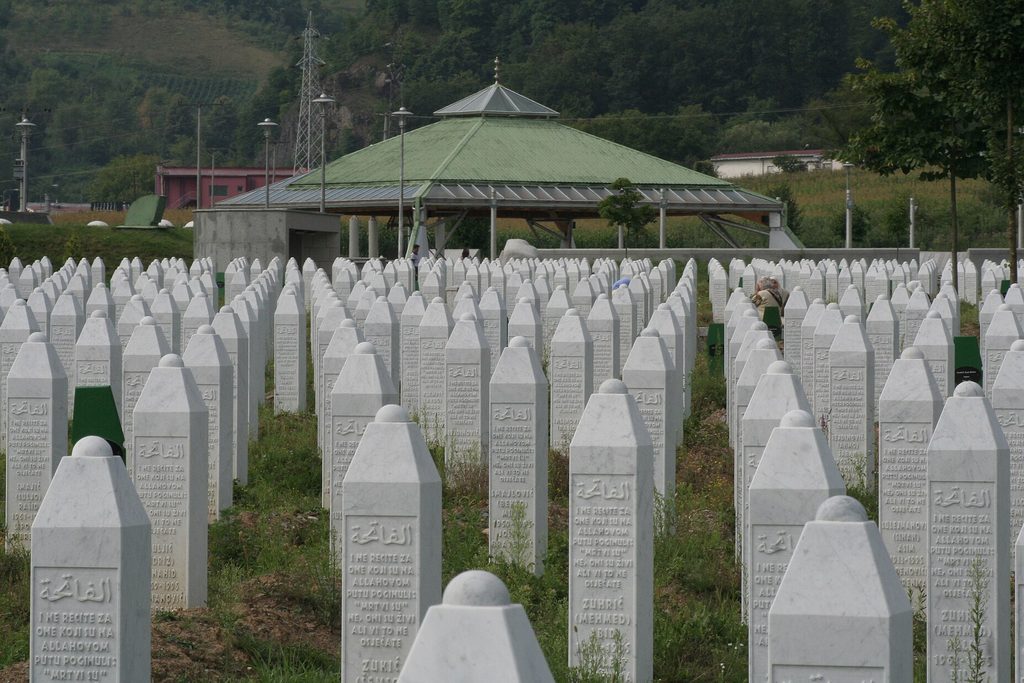
This guide offers an honest look at why some travellers choose to go, how to visit respectfully, and how to weigh it up for your own trip.
Why Some Choose to Go
Visiting is an act of remembrance and of witness. Standing among the rows of white headstones at the Srebrenica Genocide Memorial, reading the names, and hearing the story from a guide, often a survivor of the genocide themselves, makes the scale of what happened real in a way no history book can. I read a great deal of history, and I can tell you that none of it prepared me for the quiet of that place. The memorial centre, housed in the former battery factory that served as the Dutch UN base, documents the events of July 1995 with unflinching care. For many, that understanding is precisely the point.
Going the Right Way
This is somewhere to approach with humility, not curiosity for its own sake. A few principles matter:
- Dress modestly and keep a quiet, respectful demeanour, remembering that this is an active place of mourning for families who lost relatives.
- Take a guided tour. Scheduled tours in English or Bosnian include a documentary, a history of the events, and a walk through the cemetery; entry is free.
- Be considerate with photography, especially near graves and visiting families.
- Read up first. Understanding the background, well summarised on the Srebrenica massacre page, deepens the visit and honours it.
Weighing It Up
Srebrenica is emotionally heavy, and it is entirely fair to decide it is not right for your trip, or for your travelling companions, particularly young children. But if you want to understand Bosnia’s recent past honestly, few places ask more of you or leave a deeper mark. It is often visited as a serious, deliberate day rather than a casual stop.
Practical Notes
Srebrenica lies a few hours by car from Sarajevo and Tuzla; there is no easy public transport, so most visitors come by car or on an organised study tour, often from Sarajevo. Allow a full, unhurried day, and consider pairing it with time spent understanding the wider history of the region.
Frequently Asked Questions
Should you visit Srebrenica? Only if you are ready to give it the seriousness it deserves. Approached with respect, a visit is an act of remembrance rather than tourism, and it profoundly deepens an understanding of Bosnia’s recent history.
Is there an entrance fee for the Srebrenica memorial? No. The Srebrenica-Potočari Memorial Center is free to enter, open daily, and offers free guided tours in English or Bosnian.
How do you get to Srebrenica? It is a few hours’ drive from Sarajevo or Tuzla in eastern Bosnia. With little public transport, most visitors come by car or on an organised tour, frequently from Sarajevo.
Final Thoughts
Srebrenica should be on your itinerary only if you are prepared to approach it with solemnity. Treated with respect, a visit is not about sightseeing at all, but about bearing witness, and remembering what happened here matters. Many travellers base themselves in Sarajevo and make the journey from there, as part of a deeper Balkan road trip.