

05 August 2025
Almost every Namibian journey passes through Windhoek, the compact capital set among the hills of the central highlands. Many travellers treat it as no more than an airport transfer on the way to Etosha or Sossusvlei, but the city rewards at least a little of your time before you head out into the desert. So is Windhoek actually worth a stop? For most visitors, the answer is a comfortable yes, just not for very long, and as someone who plans a self-drive down to the last jerry can, I’ve always been glad of a day here to get organised.
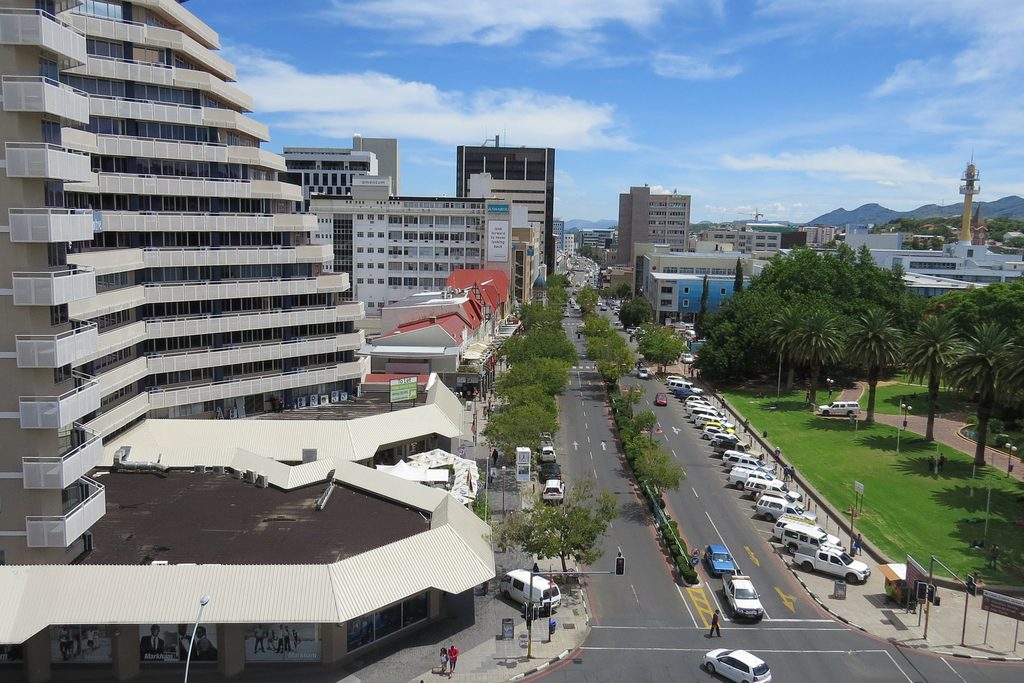
This guide covers what to see, where to eat, and how to make the most of a night or two in Namibia’s capital.
A Gentle Introduction to Namibia
Windhoek is clean, safe, and easy to navigate, which makes it a soft landing after a long flight. Sitting at around 1,700 metres, it enjoys a mild climate and a walkable, low-rise centre. Its blend of German colonial buildings, modern African capital, and wide highland skies sets the tone for the country ahead.
The city is also the practical hub of any trip: this is where you collect a hire car, buy supplies, and sort out anything you need before the long distances begin. Getting organised here saves headaches later, and the meticulous planner in me rather enjoys this part.
The Landmarks Worth Your Time
Windhoek’s compact centre means you can see the highlights on foot in a morning:
- Christuskirche. The city’s most photographed landmark, this German-Lutheran church was completed in 1907 in a striking mix of Gothic and Art Nouveau styles. Lonely Planet calls it one of Windhoek’s defining sights, and My Guide Namibia notes it was raised as a peace church after the colonial conflicts.
- Independence Memorial Museum. This striking modern museum traces Namibia’s story from pre-colonial life through the German genocide of the Herero and Nama, the South African mandate years, and the liberation struggle to independence in 1990. The rooftop café offers the best free view in the city.
- Alte Feste and Tintenpalast. The old German fort and the parliament gardens, or “ink palace,” round out the historic core, a short walk from the church.
Where to Eat and Drink
Windhoek is the place to try Namibian game meat, and the famous Joe’s Beerhouse is the classic spot for kudu, oryx, and springbok in a lively, cluttered setting. For something more local and low-key, the Single Quarters market in Katutura is the place for kapana, strips of beef grilled over open coals and eaten with chilli and a squeeze of lime. The city’s craft markets and the Namibia Craft Centre are good for souvenirs before you leave.
Understanding the History
Windhoek does not shy away from its difficult past, and taking it in adds real depth to a visit. The colonial period that left the pretty churches and villas also saw terrible atrocities, and the Independence Memorial Museum and the nearby monuments confront that history directly. You can read the fuller background on the city’s Wikipedia page. For a broader look at what to do with a day here, the Gondwana Collection’s Windhoek guide is a useful overview.
The Gateway to the Rest of Namibia
Windhoek’s real value is its location at the heart of the country’s road network. From here, the great Namibian journeys begin. Most travellers point the car toward the coast at Swakopmund and the flamingo lagoons of Walvis Bay, or south toward the red dunes of Sossusvlei. Whichever way you head, a night in the capital is the natural place to draw breath first.
Frequently Asked Questions
Is Windhoek worth visiting? Yes, for a night or two. It is safe, walkable, and home to worthwhile sights like the Christuskirche and the Independence Memorial Museum, and it is the practical base for the rest of a Namibia trip.
How many days do you need in Windhoek? One or two is plenty. A single full day covers the historic centre and a good meal; longer is only needed if you are using it as a rest stop or sorting out logistics.
What is Windhoek known for? Its German colonial architecture, the landmark Christuskirche, Namibian game-meat restaurants, and its role as the country’s capital and main transport hub.
Final Thoughts
Windhoek will not be the highlight of your trip, and it does not pretend to be. But it is a pleasant, safe, and practical start, with enough history and good food to fill a day. Give it a night, enjoy a plate of game meat, and then point the car toward the desert.