

28 September 2024
Just down the coast from Swakopmund, the lagoon at Walvis Bay is one of southern Africa’s great birdwatching spots. Thousands of flamingos gather here in shifting clouds of pink, and the wider bay teems with pelicans, seals, and dolphins. For anyone road-tripping Namibia’s coast the way I love to, it is the easiest wildlife spectacle to reach, and one of the most rewarding.
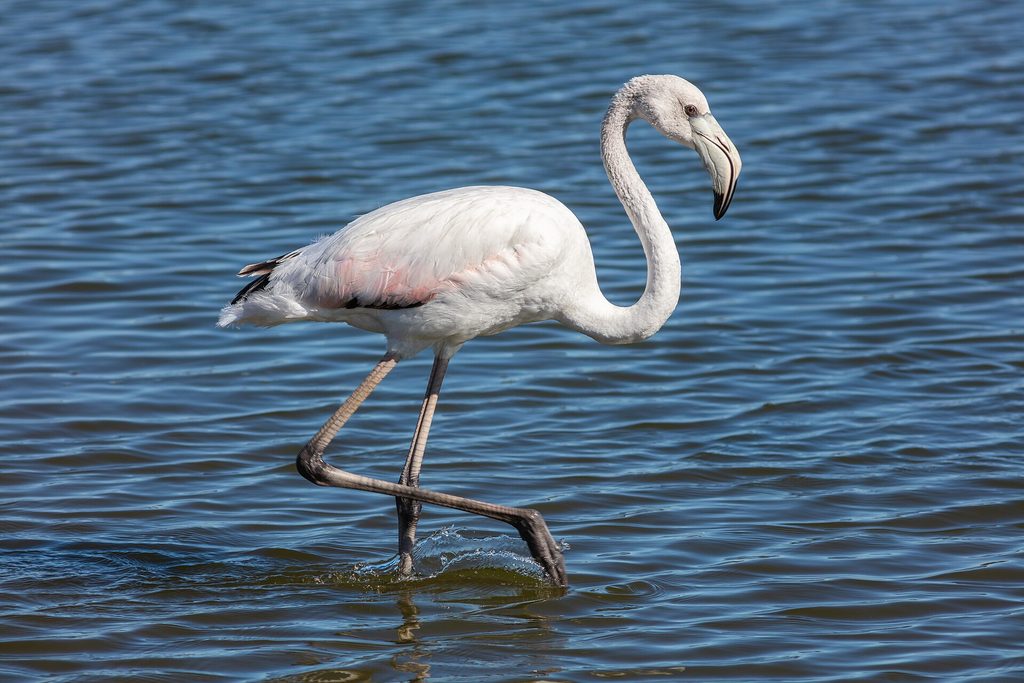
This guide covers exactly where to see the flamingos, when to go, and the boat trips and dune excursions that make Walvis Bay worth more than a quick photo stop.
The Flamingo Lagoon
The shallow Walvis Bay Lagoon is a protected Ramsar wetland of international importance, home to well over a hundred thousand birds. Both greater and lesser flamingos feed here, and unlike migratory hotspots elsewhere, they can be seen year-round, wading and filter-feeding in the shallows.
The best viewing could not be easier: the esplanade along the edge of town runs right beside the lagoon, so you can get remarkably close on foot. Aim for sunrise or sunset, when the low light turns the water gold and the flamingos’ pink is at its most vivid. Bring a zoom lens if you have one, though even a phone captures the sheer numbers.
Out on the Water at Pelican Point
For a different perspective, head out into the bay itself. Pelican Point, a remote sandspit with a lighthouse at the tip, is home to a colony of up to 50,000 Cape fur seals, and they are curious and playful around visitors.
- Kayaking trips paddle among the seals in the calm water, one of the coast’s most memorable and gentle adventures.
- Boat cruises across the bay bring you alongside seals, pelicans that fly in for a snack, and often dolphins, sometimes finishing with fresh oysters and sparkling wine on deck (the oysters were wasted on me, seafood being my blind spot, but I’ll never turn down the sparkling wine).
Operators run these half-day trips from the Walvis Bay waterfront, and most can be booked a day ahead. The Pelican Point and Sandwich Harbour tours are the classic way to combine the wildlife with the dunes.
Sandwich Harbour and Dune 7
For the truly dramatic, a guided 4x4 trip south to Sandwich Harbour, where towering dunes plunge straight into the Atlantic, is unforgettable, and comfortably the highlight of the area for an adventure junkie like me. It is one of the most spectacular landscapes in the country, accessible only with an experienced driver who knows the tides and the sand.
Closer to town, Dune 7 is one of the tallest dunes in Namibia and an easy stop for a climb, a slide, or a bit of sandboarding. You can read more about the town and its setting on the Walvis Bay Wikipedia page.
Combining Walvis Bay With the Coast
Walvis Bay sits just 30 kilometres south of Swakopmund, and the two are almost always visited together, with most travellers basing themselves in Swakopmund and day-tripping down. Inland, the red dunes of Sossusvlei are the natural next leg of a coastal road trip, while journeys usually begin or end in the capital, Windhoek, about a four-hour drive away.
Frequently Asked Questions
When is the best time to see flamingos at Walvis Bay? Flamingos are present year-round in the lagoon. For the best light and photos, visit at sunrise or sunset along the esplanade.
Where exactly do you see the flamingos? The Walvis Bay Lagoon, right on the edge of town. The esplanade runs alongside it, so no boat or tour is needed to get close.
What else is there to do in Walvis Bay? Kayaking and boat trips to Pelican Point to see seals and dolphins, 4x4 excursions to Sandwich Harbour, climbing Dune 7, and sampling fresh local oysters.
Final Thoughts
Walvis Bay turns a stretch of desert coast into a genuine wildlife spectacle. For the flamingos alone it is worth the short trip from Swakopmund, but stay a little longer for the seals, the dunes, and the oysters, and the bay quickly becomes a highlight of the Namibian coast.