

15 July 2025
Table Mountain is the sight that defines Cape Town, and almost every visitor wants to stand on its flat summit looking out over the city and two oceans. But the mountain has a habit of disappearing behind a thick blanket of cloud, its famous “tablecloth,” sometimes for days, and the cable car simply closes in high wind. Knowing when to go is the difference between a legendary view and a total whiteout, and having lived in Cape Town, I’ve watched far too many visitors get the timing wrong.
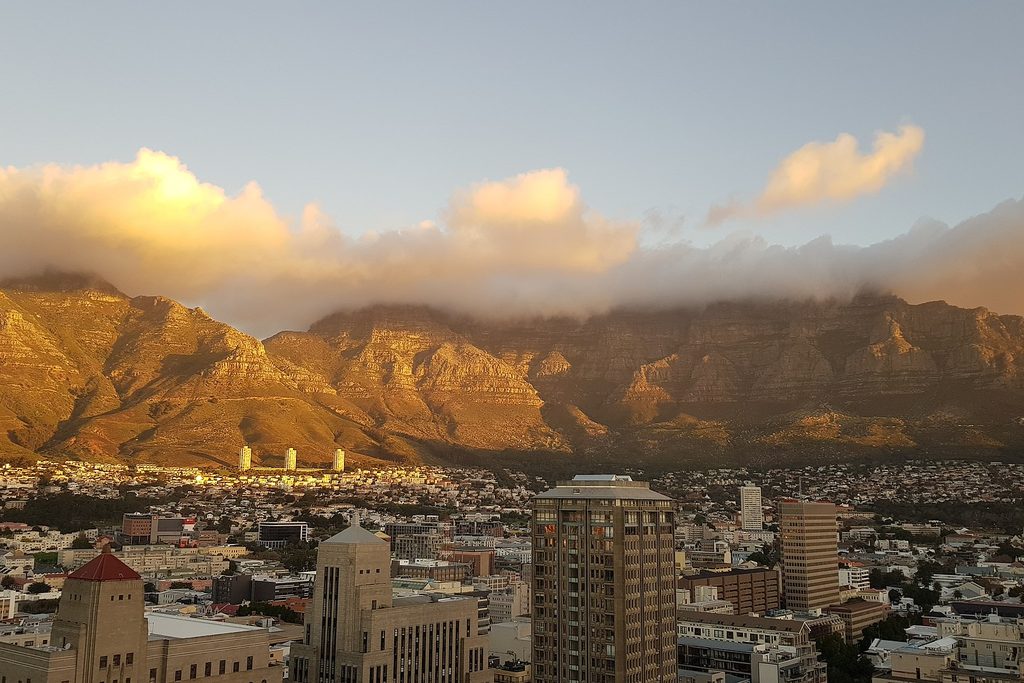
This guide covers the best time of day and year to climb or ride up Table Mountain, how to read the weather, and your options for getting to the top.
Beware the Tablecloth
The single most important thing to understand is the tablecloth. When the southeasterly wind, known locally as the “Cape Doctor,” blows in the warmer months, it pushes moist air up the slopes, where it condenses into a flat sheet of cloud that pours over the summit. It is beautiful from below and completely useless from on top, hiding the views entirely.
That same wind is why the Table Mountain Aerial Cableway shuts down when gusts get too strong, typically above around 40 to 50 km/h. The cableway runs 365 days a year only weather permitting, so it is never a guarantee.
Go Early in the Day
Whichever way you go up, and being who I am, I’d always rather sweat up Platteklip Gorge on foot than take the cable car, mornings are your friend. The air is usually clearest before the wind and cloud build through the day, so an early ascent gives you the best odds of a clear summit. The cableway’s visitor information lists current operating hours, which shift with the season.
The golden rule among locals is to stay flexible: watch the mountain, and go the moment it is clear, rather than booking a fixed slot days ahead and hoping. If you wake up to a cloud-free summit, drop your plans and get up there.
Best Time of Year
Cape Town’s summer (December to February) brings the most reliable sunshine but also the strongest southeaster and the most tablecloth days. The shoulder seasons of spring (September to November) and autumn (March to May) often offer the best balance: mild, settled weather, fewer crowds, and calmer winds. Winter can be crystal clear between fronts, but also wet and windy.
Cable Car or Climb?
You have two ways up the mountain:
- The cableway is quick, spectacular, and suits everyone, its floor rotates as you rise for 360-degree views. Book online to skip the queue.
- Hiking is hugely rewarding. The most popular route is Platteklip Gorge, the oldest and most direct path straight up the front face, taking most people two and a half to three hours. It is strenuous and exposed, so carry two litres of water, sun protection, and a warm layer, as the summit is far colder than the city.
A popular tactic is to hike up and ride the cable car down (or vice versa), but always check that the cableway is running first.
Frequently Asked Questions
What is the best time of day to climb Table Mountain? Early morning, before the wind and the tablecloth cloud build up. Clear mornings offer the best views and, in summer, the coolest hiking conditions.
Why does Table Mountain get covered in cloud? The southeasterly “Cape Doctor” wind pushes moist air up the slopes, where it condenses into the flat “tablecloth” cloud that spills over the summit, hiding the views.
Cable car or hike up Table Mountain? The cable car is fast and suits everyone; hiking Platteklip Gorge is more rewarding but strenuous. Many visitors hike one way and take the cable car the other, weather permitting.
Final Thoughts
Table Mountain rewards the patient and the flexible. Watch the weather, seize the clear mornings, and you will get the view that sells Cape Town. While you are in the region, pair it with whale watching in Hermanus, a day among the vineyards of Stellenbosch, or the start of the Garden Route at Mossel Bay. Head north on the N7 and you can even chase the Namaqualand flowers around Springbok in spring.