

29 March 2022
Stellenbosch sits at the centre of the Cape Winelands, just 50 kilometres east of Cape Town and surrounded by hundreds of wine estates. With its oak-lined streets and Cape Dutch architecture, it is one of South Africa’s oldest and most renowned wine regions. For a first-time visitor, though, more than 200 farms can feel daunting. I’ll be upfront: wine is a bit of a sideline for me, I’m more of a tequila and mezcal person, and when I do reach for a glass it’s almost always a white over a red. But I’ve spent enough easy afternoons out here to know that a little planning turns a day of wine tasting in Stellenbosch into one of the highlights of any trip to South Africa, whatever your poison.
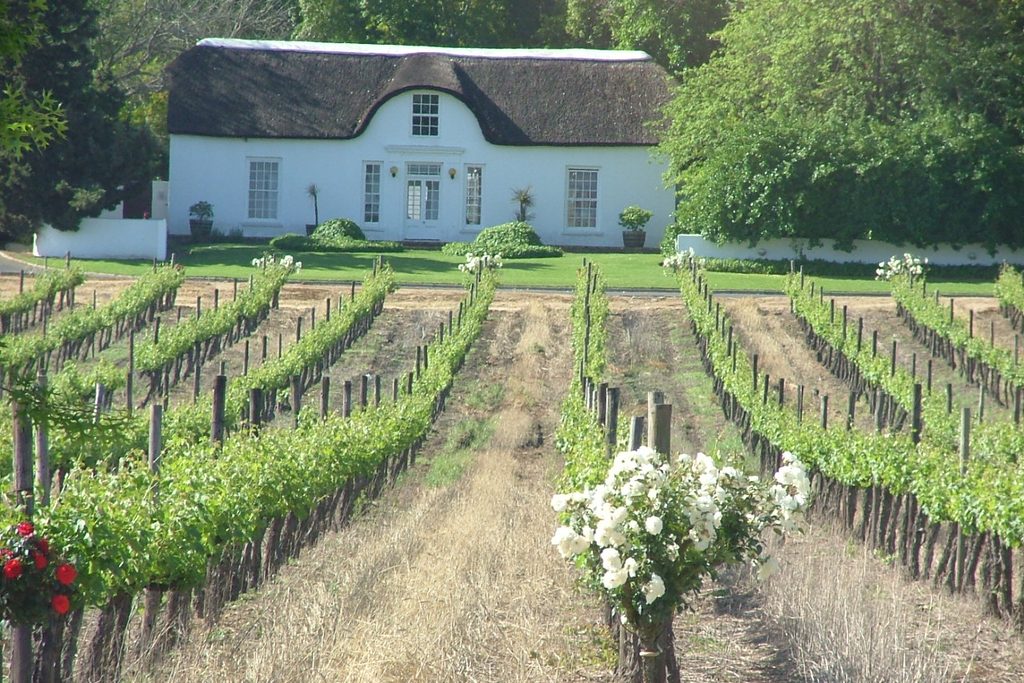
This guide covers what beginners should know, which estates to start with, and how to get around the winelands safely.
You Don’t Need to Know Wine
The single most reassuring thing for a first-timer is that tastings here are relaxed and welcoming. Cellar staff are used to guiding beginners, a flight of several wines costs very little by international standards, and nobody expects you to hold forth on tannins and terroir. Come curious rather than expert, ask questions, and treat it as a chance to learn what you like. The official Stellenbosch Wine Routes site is a good place to get your bearings.
What Stellenbosch Is Known For
Stellenbosch is the spiritual home of South African red wine, and above all of Pinotage, the country’s signature grape, a cross of Pinot Noir and Cinsaut created here in the 1920s. You can read its story on Wikipedia. The region also produces excellent Cabernet Sauvignon and Bordeaux-style blends, particularly from the so-called Golden Triangle around the Simonsberg mountain. Whites, especially Chenin Blanc and Sauvignon Blanc, round out the offering, and, red country though this is, those crisp whites are usually where I end up.
Good Estates for Beginners
With so many farms, it helps to start with a few that are welcoming and easy to enjoy:
- Spier — accessible wines plus gardens, restaurants, and family-friendly activities.
- Tokara — award-winning wines and olive oil at the top of the scenic Helshoogte Pass, with some of the best views in the region.
- Kanonkop — the iconic home of Pinotage, beneath the Simonsberg, for serious reds.
- Ernie Els Wines — striking architecture and a warm, modern tasting room in the Golden Triangle.
Two or three farms is plenty for one day; the Inside Guide’s tasting round-up has more suggestions to build an itinerary.
Getting Around Safely
The whole point of tasting is to sample freely, so plan how you will travel. Options include:
- Hiring a driver or joining a small-group wine tour, so you can enjoy yourself without worrying about the road.
- The Vine Hopper, a hop-on-hop-off shuttle that loops between estates from central Stellenbosch, an affordable and flexible choice.
Whatever you choose, never drink and drive. South Africa enforces its limits strictly, and the winelands roads are unfamiliar.
It’s About More Than Wine
Even a non-drinker can happily spend a day here. Many estates pair their cellars with excellent restaurants, art galleries, and mountain views, and the historic town itself, with its museums and cafés, is a pleasure to wander. Stellenbosch makes an easy day trip from Cape Town, and pairs naturally with the coastal town of Hermanus for whales or a drive east to historic Swellendam and the quieter wine country around Worcester. More on the town is on its Wikipedia page.
Frequently Asked Questions
Do you need to know about wine to visit Stellenbosch? Not at all. Tastings are relaxed and beginner-friendly, staff are happy to guide you, and it is an ideal place to learn what you enjoy.
How many wine estates should you visit in a day? Two or three is plenty. It keeps the day relaxed, lets you appreciate each farm, and works well with a driver or the Vine Hopper shuttle.
How far is Stellenbosch from Cape Town? About 50 kilometres, or a 45-minute drive, which makes it an easy day trip from the city.
Final Thoughts
Stellenbosch makes wine tasting easy, affordable, and unpretentious. Whether you know your cultivars or cannot tell a Pinotage from a Pinot (I’m closer to the second camp than I’d care to admit), a day among these oak-lined streets and mountain vineyards is one of the great pleasures of a trip to South Africa.