

03 February 2026
Reached from Cape Town through the dramatic Du Toitskloof mountains, Worcester is the largest town in the Breede River Valley and the practical heart of an under-the-radar wine region. It rarely features on tourist itineraries, which is part of its appeal: this is Cape Winelands country without the crowds or the price tags of Stellenbosch. For travellers who like their wine regions quiet, it is a genuine find.
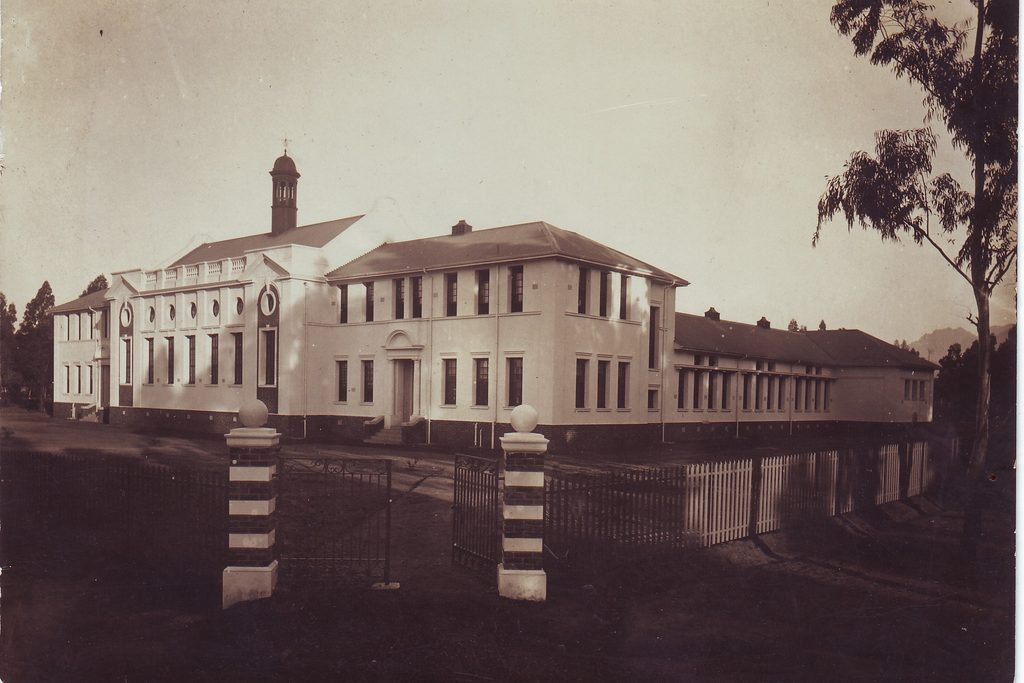
This guide covers the spectacular approach, the wine country, and the surprising botanical garden that make Worcester worth the detour.
The Drive In
Half the pleasure of Worcester is getting there. The approach from Cape Town, whether through the Huguenot Tunnel or over the old Du Toitskloof Pass, is spectacular, opening suddenly onto the broad, mountain-ringed Breede Valley. The old pass is worth taking slowly for its viewpoints and the sense of crossing from one world into another, from the coast to the drier interior, and any excuse to take the scenic mountain road over the tunnel gets my vote.
Wine Beyond Stellenbosch
The Breede River Valley is one of South Africa’s largest wine districts, yet it remains far quieter and better value than the famous Cape Winelands to the west. The Worcester Wine Route forms part of Cape Route 62, billed as the longest wine route in the world, and represents a winemaking tradition stretching back some 250 years. The region is also a major producer of brandy, which, as more of a spirits man than a wine one (and a white-over-red drinker at that), was the part that pricked up my ears.
Cellars here are welcoming and unpretentious, and tastings cost a fraction of what you would pay closer to Cape Town. Worcester makes a handy base for exploring both the Worcester and neighbouring routes, as the Cape Winelands guide explains.
Karoo Plants and Big Skies
Worcester’s most unusual attraction is the Karoo Desert National Botanical Garden, the only truly succulent garden in the southern hemisphere. It showcases one of the largest collections of indigenous succulents in South Africa across developed gardens and a natural veld reserve laced with nature trails. It is a low-key but genuinely memorable stop, especially in spring when the vygies flower. The garden’s details are worth a look before you go.
Beyond that, the town has a good local history museum, river rafting on the Breede, and a Gary Player-designed golf course framed by mountains. The Worcester tourism site lists current activities and events.
Where It Fits
Worcester sits about an hour and a half from Cape Town, making it an easy day trip or an overnight gateway to the Breede Valley. It pairs naturally with the classic winelands of Stellenbosch to the west, the quiet wine-and-cheese country of Bonnievale downriver, and the historic town of Swellendam further along Route 62. Cape Town itself, and Table Mountain, lie just over the pass.
Frequently Asked Questions
What is Worcester known for? Being the largest town in the Breede River Valley wine district, part of Cape Route 62, and home to the unique Karoo Desert National Botanical Garden.
How far is Worcester from Cape Town? About 120 kilometres, roughly an hour and a half’s drive over the Du Toitskloof Pass or through the Huguenot Tunnel.
Is Worcester worth visiting? Yes, if you want quiet, good-value wine country and dramatic mountain scenery. It is more of a working town than a postcard, but its setting and its wine route make it a rewarding gateway to the Breede Valley.
Final Thoughts
Worcester is a working town rather than a postcard, but its setting and its wine country make it a genuine gateway to the Breede Valley. For those who like their wine regions quiet, uncrowded, and easy on the wallet, it is one of the Western Cape’s most underrated stops.