

19 November 2025
I grew up in South Africa, and the question I get asked more than any other, now that I live abroad and friends want to come see where I’m from, is simple: when is the best time to visit South Africa? I always give the same slightly annoying answer: it depends entirely on what you want. Unlike places with a tidy high and low season, my home country hands you wildly different trips depending on the month, and the best time for a Kruger safari is nothing like the best time for a lazy Cape Town beach day.
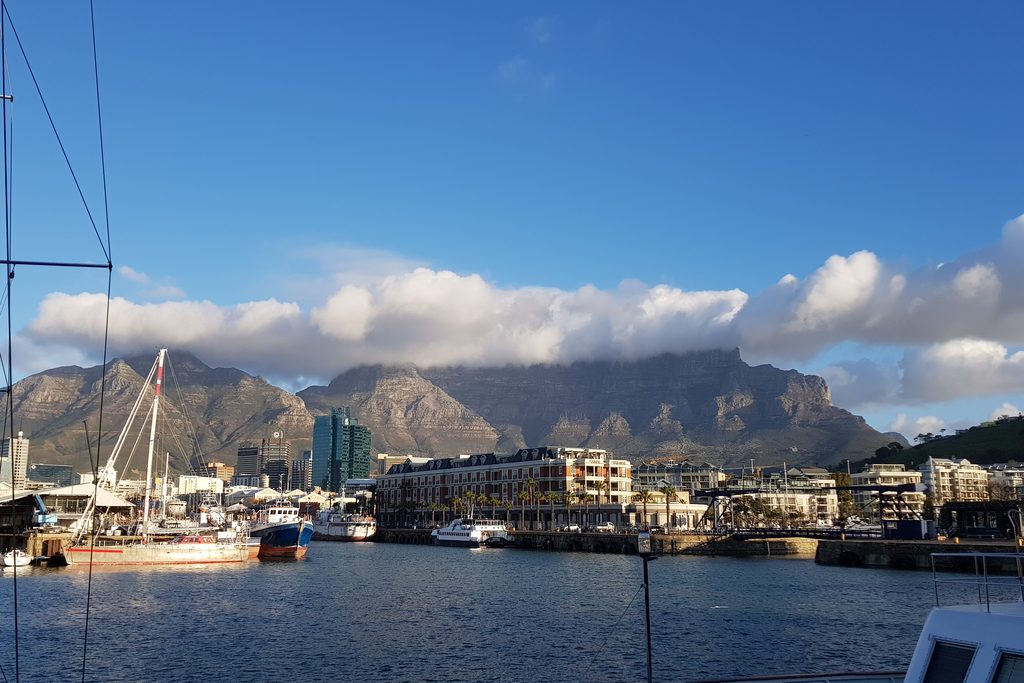
So here’s my season-by-season guide, from a local’s point of view, covering wildlife, whales, wildflowers, and wine country, so you can time your trip around whatever you actually came for.
Understanding South Africa’s Seasons
Two things make timing a South African trip tricky, and both used to confuse every overseas friend I ever explained them to. First, the seasons are reversed from the northern hemisphere: our summer runs December to February, winter June to August. (Yes, that means Christmas on the beach with a braai going, which to me is completely normal and to everyone else is apparently wild.) Second, the country has two rainfall patterns. Most of it, including the safari regions, gets summer rain, while the Cape around Cape Town gets its rain in winter. That single split is exactly why one “best time” doesn’t exist.
Summer (December to February): Beaches and Long Evenings
Summer is peak season, and honestly it’s the South Africa of my childhood holidays. The coast comes alive: Cape Town fills with beachgoers, outdoor concerts, and proper nightlife, and the Cape’s dry, sunny summer is made for the beaches, the winelands of Stellenbosch, and long drives along the Garden Route.
The catch is crowds and cost. Locals disappear to the coast for the December holidays, so accommodation books out months ahead and prices climb. On safari, the summer rains bring lush green scenery and newborn animals, but that thick bush makes game harder to spot. If you want a lively atmosphere and reliable sun, and don’t mind sharing the beach, summer is glorious. Just book early; I’ve watched too many friends leave it late and pay for it.
Autumn (March to May): The Hidden Gem Season
If you asked me personally when to come, this might be my answer. March through May gets overlooked by international visitors, but plenty of South Africans consider it the sweet spot. The heat softens, the summer crowds melt away, and the big attractions suddenly feel calm again.
It’s also the prettiest time in the wine country: the vineyards turn gold with the harvest under way, and the Cape Winelands are ridiculously photogenic. Full disclosure, wine isn’t even my drink (I’m a cocktail-and-good-company girl), but you honestly don’t need to love the stuff to be floored by that scenery, and non-drinkers get the farm stays, the food, and the mountain backdrops just the same. Go2Africa rates the shoulder seasons highly for exactly this balance of good weather and thinner crowds, and I’d back that.
Winter (June to August): Prime Safari Season
Winter is the counter-intuitive star of the year, and the season I most often talk visitors into. People hear “winter” and picture being cold and miserable, but in the north it is the best time for a safari. As the dry months strip the vegetation back, animals cluster around the shrinking waterholes, and suddenly wildlife is far easier to spot in reserves like Kruger National Park and Addo near Gqeberha. SafariBookings recommends roughly May to September for the best game viewing.
Winter is also whale season, and this one is personal, watching southern right whales from the cliffs is one of my favourite things in the world. They gather along the southern coast between June and November, and Hermanus is one of the best places on Earth to see them from dry land, no boat required. Cape Town itself can turn wet and grey in winter (that’s when the Cape gets its rain), but the northern safari regions stay clear and dry.
Spring (September to November): Nature Comes Alive
Spring delivers one of South Africa’s great natural spectacles: the wildflower season. For a few short weeks, the semi-desert of Namaqualand and the West Coast erupts into carpets of orange and white, best seen around Springbok in the Northern Cape. It’s a genuine bucket-list thing even for us, people drive up specially. The temperatures climb, the whales linger into November, and early-season game viewing is still excellent.
Spring gives you a wonderful mix of wildlife, scenery, and comfortable weather without the summer crush, which makes it, alongside autumn, my go-to recommendation for a first trip. There’s more on the country’s climate and regions on the South Africa overview.
Frequently Asked Questions
When is the best time to visit South Africa for a safari? The dry winter months, roughly May to September, are best for wildlife viewing, when thin vegetation and scarce water make animals easier to spot around reserves like Kruger and Addo.
When is the best time to visit Cape Town? The dry, warm summer months of November to March are ideal for Cape Town’s beaches and winelands, since the Cape gets most of its rain in winter.
When can you see whales in South Africa? Southern right whales are present along the southern coast from around June to November, with the peak in September and October, best viewed at Hermanus.
Final Thoughts
There’s no single best time to visit South Africa, only the best time for your kind of trip. Chasing the Big Five? Come in winter. Beaches and winelands scenery? Summer. Whales, wildflowers, and fewer crowds? The shoulder seasons of spring and autumn are hard to beat, and quietly, they’re the ones I’d send my own friends for. Pick the experience that makes your heart race first, and let it choose your dates. Whenever you come, I promise my country will get under your skin the way it never quite lets go of mine.