

05 February 2022
Do you need a satellite phone in Namibia? It is one of the most common questions among travellers planning a self-drive trip, and I can answer it from experience. I’ve done a lot of self-drive travel in out-of-the-way places, and I’m the sort who over-prepares the kit, but nothing settled this question quite like being stranded in the vast Namib Desert one night with a flat tyre, a flat spare, and no cellular signal. This guide covers what happened, how good mobile coverage really is, when a satellite phone is genuinely worth it, and the cheaper alternatives that might do the job.
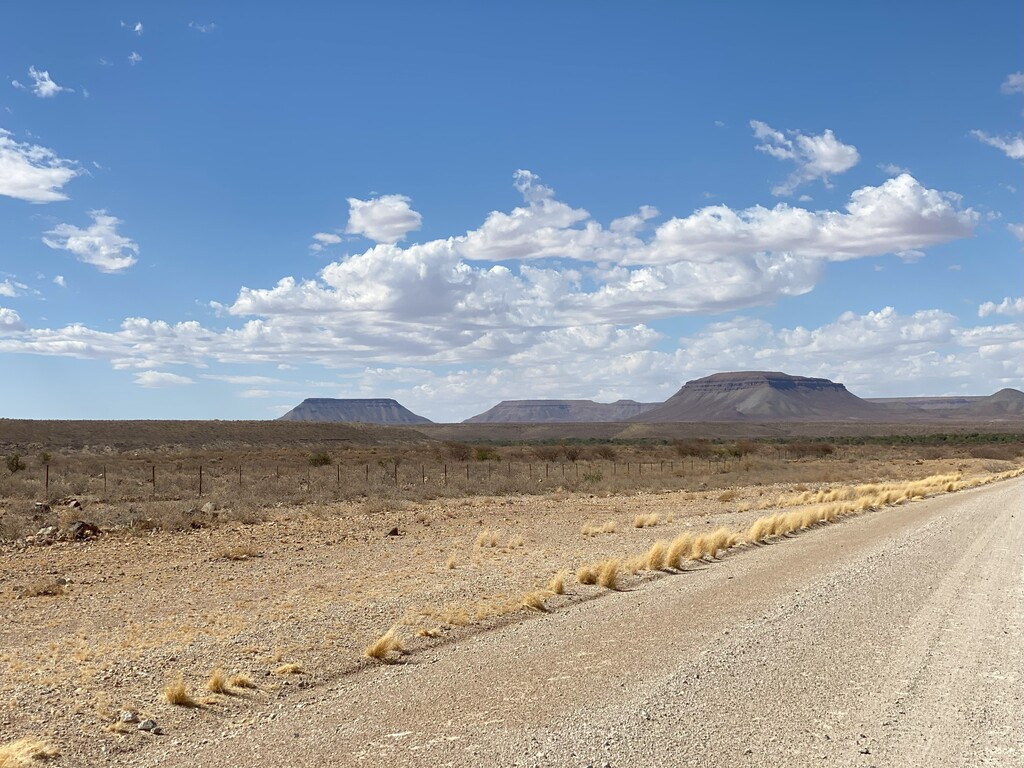
Our Namib Desert Wake-Up Call
During a self-drive adventure through Namibia, our vehicle suffered a flat tyre in a remote stretch of the Namib, followed by a flat spare. Stranded in the vast expanse with no cellular signal, panic began to set in. But we had come prepared with a satellite phone, a trusty Iridium 9555 handset, which proved to be a genuine lifeline.
Connecting to the Iridium network, I reached out for assistance, and it was an enormous relief to hear a reassuring voice confirming that help was on the way. In the early hours, a rescue team arrived. They could not repair the vehicle, but they got us safely to our accommodation. The satellite phone had turned a frightening situation into a manageable one, and I have been grateful for it ever since.
How Good Is Mobile Coverage in Namibia?
Here is the honest picture: mobile coverage in Namibia is patchy. The network, run mainly by MTC, reaches most towns and villages and is generally good along the major tarred roads. But Namibia is enormous and sparsely populated, and coverage extends across only around 30 percent of the country. Head into the remote regions, and you can drive for hours with no bars at all.
For much of a standard Namibia itinerary, the main routes between Windhoek, Swakopmund, and the popular parks, you are rarely truly out of touch for long. It is beyond the beaten track that the risk grows. The travel-namibia guide to satellite phones paints a similar picture.
When Do You Actually Need a Satellite Phone?
Whether you need one comes down to your route:
- Main roads and popular areas: a satellite phone is not really necessary. You will have signal in and around towns, and even where you do not, these roads see enough traffic that you are seldom completely alone.
- Genuinely remote regions: here it becomes a serious safety tool. Areas like Kaokoland (the Kaokoveld), Damaraland, the Khaudum wilderness, and other deep-desert 4x4 routes can have no coverage and very little passing traffic. If you are heading off into that kind of country, a satellite phone can be the difference between an inconvenience and an emergency.
In short: for a comfortable self-drive along the classic circuit, you can probably manage without. For a remote, off-grid expedition, take one.
Alternatives: Satellite Messengers and Local SIMs
A full satellite phone is not the only option, and for many travellers a cheaper device is enough:
- Satellite messengers like the Garmin inReach or Zoleo combine GPS with two-way satellite texting and an SOS button that alerts a search-and-rescue coordination centre. They are smaller and cheaper than a satphone and cover the “call for help” need well. I come from a heavy tech background and have a real soft spot for these little devices; for most self-drivers they are the sweet spot.
- A local SIM card from MTC costs very little and gives you data and calls wherever there is coverage, which is fine for the main routes.
Whatever you carry, remember that satellite phones and messengers do not connect to 112 or 911 services. As I learned, it is essential to collect the direct numbers you might need in advance, your accommodation, the police, ambulance and breakdown services, before you set off. You can read more about how these devices work on the satellite phone overview.
Practical Tips for Renting or Buying
If you decide a satellite phone is worth it:
- Rent rather than buy for a one-off trip; several operators in Namibia and neighbouring South Africa hire them out. SatComms in South Africa handled all our satellite phone needs.
- Buy Africa minutes. Iridium offers discounted airtime that only works on the African continent, far cheaper than global minutes. You are unlikely to need more than the minimum bundle of around 300 minutes.
- Test it before you leave civilisation, and keep it charged and accessible, not buried in the boot.
Frequently Asked Questions
Do you need a satellite phone to self-drive Namibia? Not for the main routes and popular areas, where mobile coverage is generally adequate. For remote, off-grid regions like Kaokoland or Khaudum, a satellite phone or messenger is a sensible safety measure.
Is there mobile phone coverage in Namibia? Yes, in and around towns and along the major roads, but coverage reaches only about 30 percent of this large, sparsely populated country. Remote areas often have no signal at all.
What are the alternatives to a satellite phone in Namibia? A satellite messenger such as a Garmin inReach or Zoleo offers SOS and texting for less money, and a local MTC SIM card covers the main routes. Neither reaches 112 or 911, so carry direct emergency numbers.
Final Thoughts
So, do you need a satellite phone in Namibia? For a classic self-drive along the main circuit, probably not, but for remote 4x4 travel it is a small investment that buys real peace of mind. As we discovered on that long desert night, it is far better to have it and never need it than to need it and not have it. Whichever way you travel, prepare well, and you can lose yourself in the wonders of the Namib, from the dunes of Sossusvlei to the ghost town of Kolmanskop near Lüderitz, knowing help is within reach even in the emptiest corners of this captivating country. For context on the country itself, see the Namibia overview.